What Is the Sunniest Month in Sydney?
November is Sydney's sunniest month on the Bureau of Meteorology's long-run averages, at 7.8 mean daily sunshine hours. Here is how the rest of the year compares.
What Is the Sunniest Month in Sydney?
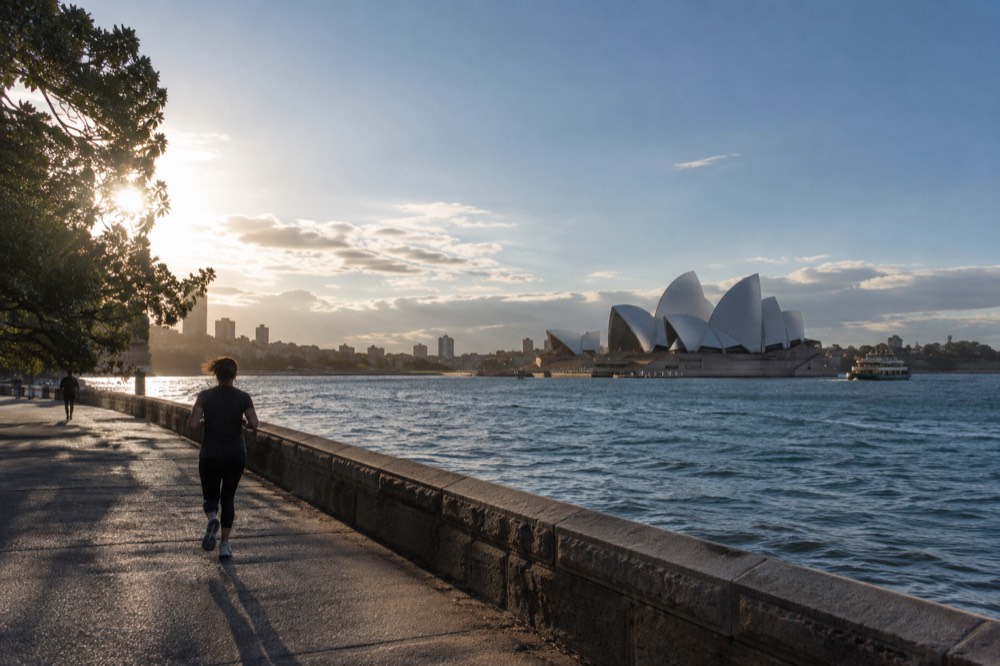
November is the sunniest month in Sydney, averaging 7.8 hours of sunshine a day on the Bureau of Meteorology's long-run record for Observatory Hill. December is close behind at 7.6 hours, and October and September tie at 7.2. The surprise is that Sydney's sunniest stretch sits in late spring, before the peak-summer crowds and before February, which is statistically the city's cloudiest month of the year.
The figure comes from the Bureau of Meteorology's climate normals for station 066062 at Observatory Hill, one of the longest continuous weather records in Australia, running from 1858 to 2020. The sunshine averages themselves draw on the 1955 to 1992 measuring period, so treat them as long-run averages rather than a forecast for any particular November. Any single year can run well above or below the norm, and a heatwave November or a soggy December will always be possible. What the normals describe is the shape of the year, not a guarantee.
What that means in practice: late spring in Sydney combines long, bright days with temperatures that have not yet reached their summer peak. The November mean maximum is 23.7 °C against January's 26.0 °C, and rainfall averages 83.8 mm across about 8.3 rain days, noticeably drier than the first three months of the year. If your whole reason for travelling is maximum daylight on the least cloud, November is the month the data points to.
There is a second, quieter advantage to the late-spring window: the water. Ocean conditions are warming through October and November, the daylight saving clock change in early October has pushed sunset well past 7:30pm, and the beaches have not yet reached their December and January density. You get most of summer's usable hours with meaningfully fewer people sharing them.
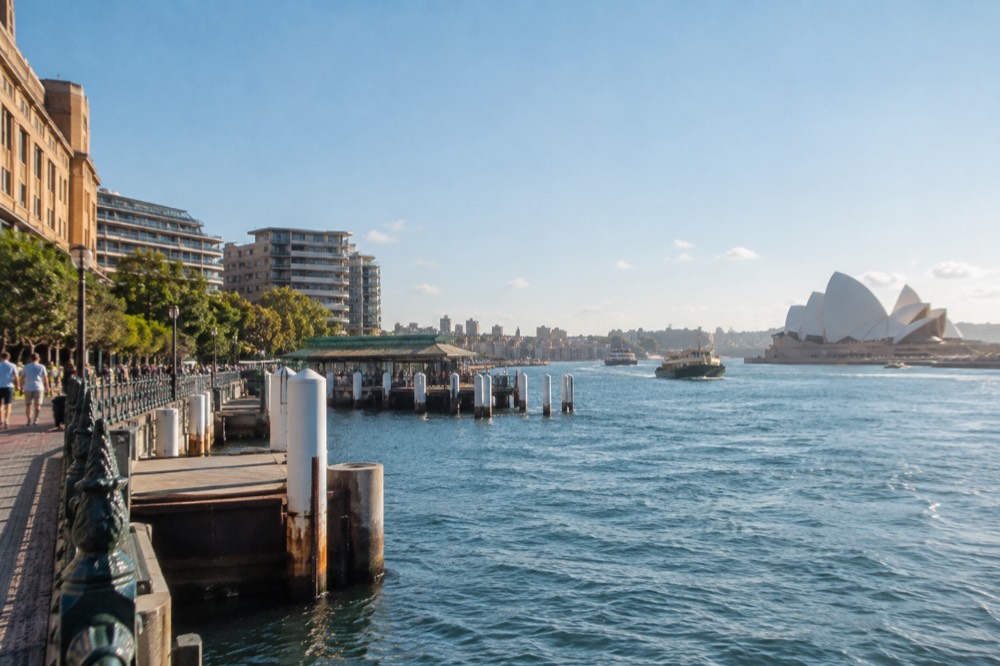
It also matters where the sunshine lands. A bright November morning is a harbour morning, and a harbour sightseeing cruise, morning or afternoon is one of the cheapest ways to use it. For the broader planning picture, our Sydney weather month by month guide carries the full climate table.
Which Month Has the Clearest Days in Sydney?
August has the most clear days of any month in Sydney, 13.4 on the long-run average, ahead of July on 12.0 and September on 10.9. February has the fewest, just 5.3 clear days on average. So there are two different answers to the sunshine question: November wins on total sunshine hours, because its days are long, while August wins on pure cloud-free days, because winter skies over Sydney are genuinely clearer than summer ones.
This is the single most counterintuitive fact in Sydney's climate record, and most guides get it wrong by assuming an Australian summer must be the sunny season. The Bureau of Meteorology's numbers say otherwise: peak season, December through February, is statistically the cloudiest time of year, while late winter delivers the most cloud-free skies.
The reason June still feels grey is day length, not cloud. June averages 9.1 clear days, more than January's 6.8, but only 5.5 hours of sunshine a day because the days themselves are short. A clear August day is bright and crisp; a clear February day is rarer than visitors expect.
Here is how the full year stacks up on the Bureau's long-run averages:
| Month | Mean daily sunshine (hours) | Mean clear days | Mean max temp (°C) |
|---|---|---|---|
| Jan | 7.1 | 6.8 | 26.0 |
| Feb | 6.7 | 5.3 | 25.8 |
| Mar | 6.4 | 7.1 | 24.8 |
| Apr | 6.4 | 9.1 | 22.5 |
| May | 5.9 | 9.5 | 19.5 |
| Jun | 5.5 | 9.1 | 17.0 |
| Jul | 6.4 | 12.0 | 16.4 |
| Aug | 7.1 | 13.4 | 17.9 |
| Sep | 7.2 | 10.9 | 20.1 |
| Oct | 7.2 | 8.1 | 22.2 |
| Nov | 7.8 | 6.0 | 23.7 |
| Dec | 7.6 | 6.6 | 25.3 |
Read down the sunshine column and the pattern is obvious: the numbers climb through late winter and spring, peak in November, then sag through autumn. Read the clear-days column and the opposite pattern appears, peaking in August. Both are true at once, and the best time to visit Sydney depends on which kind of sunshine you are chasing.
A third column deserves a glance too. The mean maximum temperatures show that September through November delivers 20.1 to 23.7 °C days, warm enough for everything except perhaps long ocean swims, without the 26 °C-plus heat that January and December bring. That temperature band, combined with the year's best sunshine hours, is why late spring keeps winning the climate argument even though summer wins the marketing.
Does Sydney Get More Sunshine in Summer or Winter?
Sydney gets more total sunshine in summer, simply because summer days are much longer, but its skies are clearer in winter. December averages 7.6 hours of sunshine against June's 5.5, yet June records more clear days than January does, 9.1 versus 6.8. Summer also carries more rain: February averages 119.3 mm and January 101.2 mm, while August averages just 80.2 mm across fewer rain days.
The mechanics are worth understanding if you are picking a travel month. Sydney sits close enough to the subtropics that summer brings both the strongest sun and the most convective cloud, that build-up of afternoon cloud and occasional thunder that can swallow a beach day. Winter skies, by contrast, tend to be either genuinely clear or openly grey, with less of the in-between. A winter forecast is easier to plan around: when it is clear, it is properly clear, and when it is not, you know early. Other pages covering the same trip are gathered on Sydney Travel Guide.
Daylight saving sharpens the summer advantage. NSW winds clocks forward on the first Sunday of October and back in early April, per the official NSW daylight saving dates, which pushes usable evening light deep into summer evenings while leaving winter afternoons short by 5pm. That is a real asymmetry for travellers: a November evening can run past 7:30pm in bright light, while a June evening is dark before most people have finished dinner.
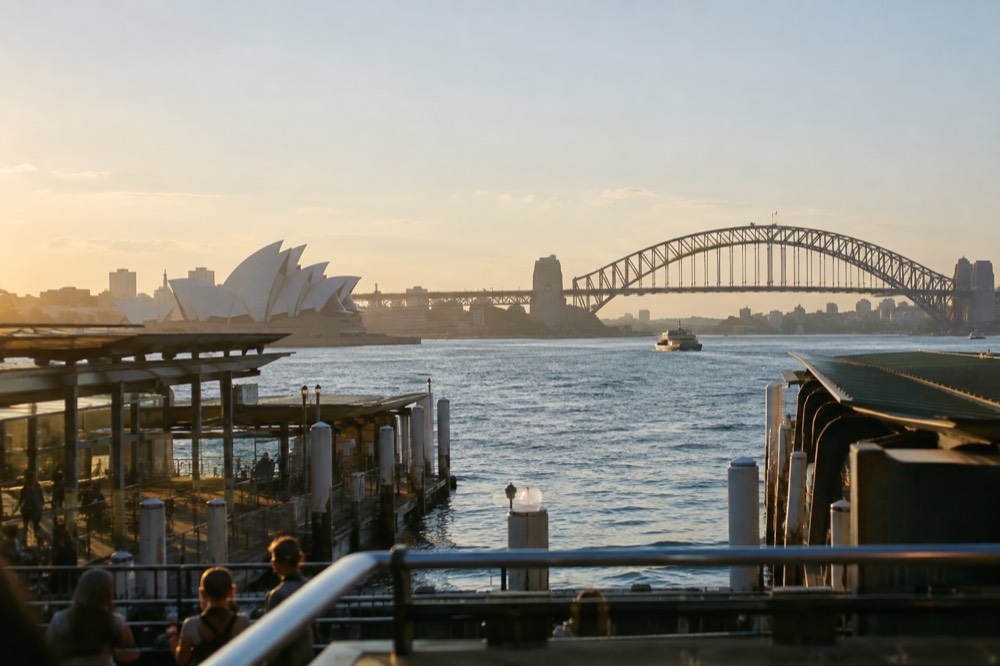
One caution for the beach-bound: sunshine hours say nothing about UV. Sydney's UV index reaches extreme levels of 11 or more in summer, and protection is advised whenever the index hits 3, which in Sydney is most of the year. A mild, bright August afternoon can burn you almost as efficiently as a January one if you stay out long enough. ARPANSA operates a live UV monitoring station in Sydney, and its readings in early September already peak above the protection threshold by mid-morning, so sunscreen belongs in your bag in every one of these months, not just the hot ones.
What Is the Cloudiest Month in Sydney?
February is Sydney's cloudiest month, with just 5.3 clear days and 6.7 mean daily sunshine hours on the long-run averages. It is also one of the wettest, with 119.3 mm of rain on average, second only to June's 133.1 mm. That makes the middle of peak tourist season, the months visitors most often choose for guaranteed sun, statistically the dullest and greyest time of the Sydney year.
March runs February close. It averages 131.6 mm of rain, the second-wettest month by total, across 9.9 rain days, the highest count of any month, and only 7.1 clear days. The early-autumn stretch is Sydney's cloudiest season taken as a whole.
The practical takeaway is not to avoid summer, but to plan for its texture. Summer days in Sydney are hot and often brilliant, but cloud, humidity and rain bursts arrive more often than the postcard image suggests. A two-week February stay will almost certainly include some genuinely grey days, and packing for Sydney's summer means packing for the possibility of both a 30 °C afternoon and a humid, overcast morning in the same week.
If you are locked to school holidays or a summer trip, build a wet-weather fallback: our Sydney rainy day itinerary lists the indoor options that do not depend on the sky cooperating. And if your dates are flexible at the margins, shifting a trip from February to November or from March to September usually buys better light for the same airfare.
When Is the Best Time to Visit Sydney for Sunny Weather?
For maximum sunshine, visit Sydney in November: 7.8 sunshine hours a day, a 23.7 °C mean maximum, and fewer rain days than any summer month. For the most cloud-free skies, visit in August, with 13.4 clear days on average, but accept 17.9 °C days and early sunsets. September and October are the strong compromise, combining 7.2 sunshine hours with warming temperatures and thinner crowds.
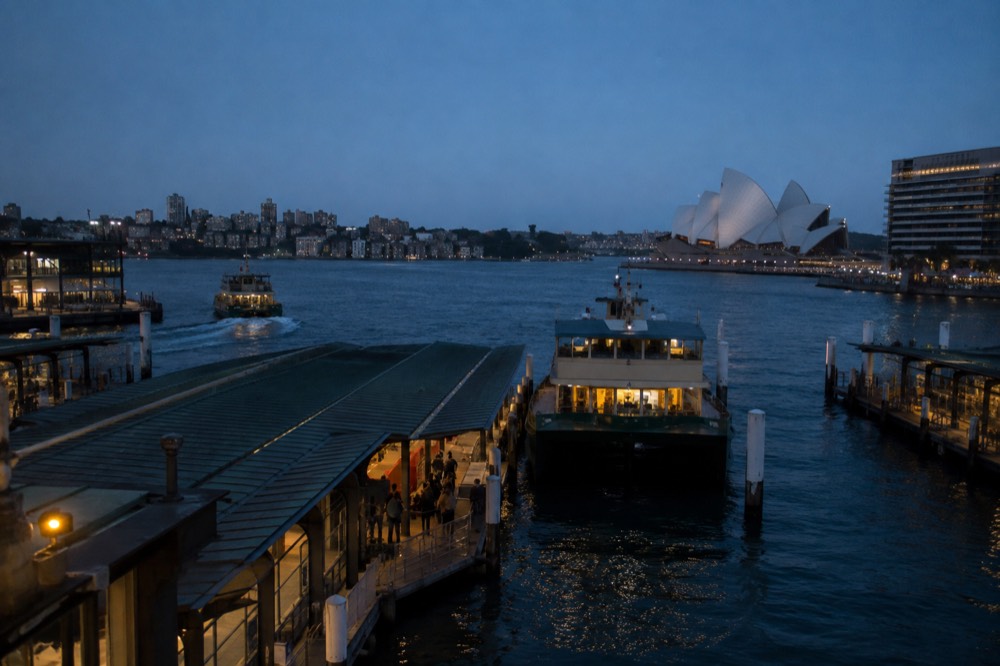
November has a second advantage worth knowing: it sits just outside the peak-season pricing window. The city is busy but not at its December and January crush, water temperatures are warming, and the daylight saving clock change in early October has already pushed sunset past 7:30pm. It is the month where Sydney's climate data and its crowd calendar agree with each other.
August suits a different traveller. The skies are the clearest of the year, the light is sharp, and the harbour looks its best in that low winter sun, but swimming is off the table for most people and daylight runs out early. It is a month for walking, galleries and the coast rather than the beach. Our Sydney in winter guide covers what that season does well.
There is one seasonal bonus that overlaps the shoulder months: whale watching runs along the NSW coast from May to November, with the southern migration, whales returning with calves and passing closer to shore, strongest from August to November. A bright September or October morning on a headland in Sydney Harbour National Park can deliver both the year's clearest light and a whale on the horizon, something no midsummer visit can offer.
However the sky looks on the day, the sunshine is best spent on the water. The Sydney Harbour Sightseeing Cruise, from US$28.53 with a 4.7 rating across 863 reviews, runs morning and afternoon departures from Circular Quay and doubles as a floating orientation to the city.
If the sky is clear, The Rocks Guided Walking Tour, from US$36.57, puts that famous sandstone in the best possible light; a 4.8 rating across 1,745 reviews suggests plenty of visitors agree.
For a full seasonal breakdown including rainfall and temperatures, the Bureau of Meteorology publishes the Sydney climate averages this article's figures are drawn from, and our month-by-month guide translates them into travel advice.
Common Questions About Sunny Months in Sydney
What is the sunniest month in Sydney?
November, averaging 7.8 hours of sunshine a day on the Bureau of Meteorology's long-run record for Observatory Hill, ahead of December on 7.6 and October and September on 7.2 each.
Which month has the most clear days in Sydney?
August, with 13.4 clear days on average, followed by July on 12.0. February has the fewest clear days of any month, just 5.3.
Is February sunny in Sydney?
It is hot, with a mean maximum of 25.8 °C, but it is statistically Sydney's cloudiest month, with 5.3 clear days, 6.7 sunshine hours and 119.3 mm of rain on average.
Is Sydney sunny in winter?
Yes, more than most visitors expect. July and August record more clear days than any summer month, though total sunshine hours are lower because the days are short, and June is the wettest month of the year by total rainfall.
When does daylight saving start in Sydney?
On the first Sunday of October, when clocks move forward one hour, extending usable evening light through October, November and the summer months. It ends on the first Sunday of April.