Is the Tour of Sydney Opera House Worth It?
An honest assessment of the Sydney Opera House guided tour: what you see, what it costs, who it suits and when to skip it.
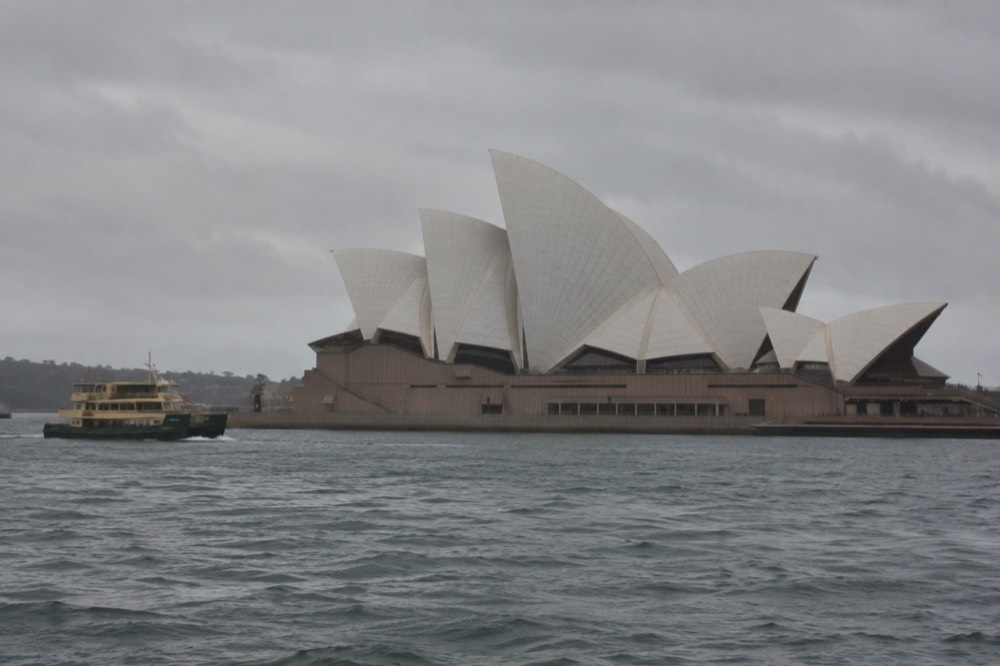
Almost every visitor to Sydney sees the Opera House from the outside, and almost none of them realise the foyers and theatres are working venues they can walk into. The building is a live performance house first and a monument second, which is exactly why a guided tour exists: the interesting parts, the Concert Hall, the Joan Sutherland Theatre, the rehearsal rooms, are not open to someone who just wanders in off the boardwalk. This page answers the question directly, with what the tour covers, who it suits, and when your money is better spent elsewhere.
Is the Tour of Sydney Opera House Worth It?
Yes, for most visitors the guided tour is worth it, and it comes down to access. The exterior is free to admire, but the theatres, foyers and backstage stories are only open on a guided tour, and the standard tour runs about an hour. If you have even a passing interest in architecture, theatre or Australian history, the tour converts a photo stop into the most informative hour you will spend at Circular Quay. Skip it only if your budget is very tight or you genuinely cannot spare sixty minutes.
The case for the tour is a case about the building itself. The Opera House is a working venue with over a thousand performances a year across its halls, and the parts that make it remarkable, the acoustic engineering of the Concert Hall, the rebuilt Joan Sutherland Theatre, the story of a construction project that ran a decade past its schedule, are interior stories. From the forecourt you get sails and a postcard. Inside, a guide explains why the sails are structured the way they are, why the building nearly bankrupted the project, and how the venues are used today.
The honest counterargument is that some travellers are satisfied with the exterior. If your Sydney itinerary is packed, if you have seen several guided venues on this trip already, or if an hour of architecture talk sounds like a chore, the free alternatives are genuinely good. The Royal Botanic Garden sits next door and the guide to the Royal Botanic Garden Sydney covers the best free vantage points, and the colonnade and boardwalk around the building cost nothing at all.
For context on how the building fits into a first visit, the Sydney Opera House guide breaks down every way to experience it, from tours to performances to simply eating at Opera Bar.
What Does the Sydney Opera House Tour Actually Include?
The standard guided tour runs about sixty minutes and takes you through the foyers and into whichever theatres are not in use that day, with a guide covering the building's design, construction and daily life as a performance venue. Entry is included in the ticket, and tours run roughly 9am to 5pm daily with sessions in several languages on set weekdays. Which theatres you enter depends on rehearsal and performance schedules, so two visits rarely see identical interiors.
That last point matters more than most reviews mention. The Opera House is not a museum that freezes its rooms for tourists; it is one of the busiest performing arts centres in the world, and the tour routes flex around what is happening on stage. On a quiet morning you might stand in both major halls. On a matinee day, one may be closed for a technical rehearsal, and the guide will compensate with areas visitors rarely see, such as the orchestra pit viewing level or the recording hall. The operator's own tours page publishes current session times and availability.
Tours generally run daily from around 9am to 5pm, subject to change, and non-English sessions, including French, German and Spanish on set weekdays, are scheduled rather than on demand. Mobility-accessible versions of the tour run on the same roughly sixty-minute format. Booking is essentially required: walk-up spots exist but popular morning sessions fill, especially in peak season and during Vivid Sydney, when the building is at its busiest.
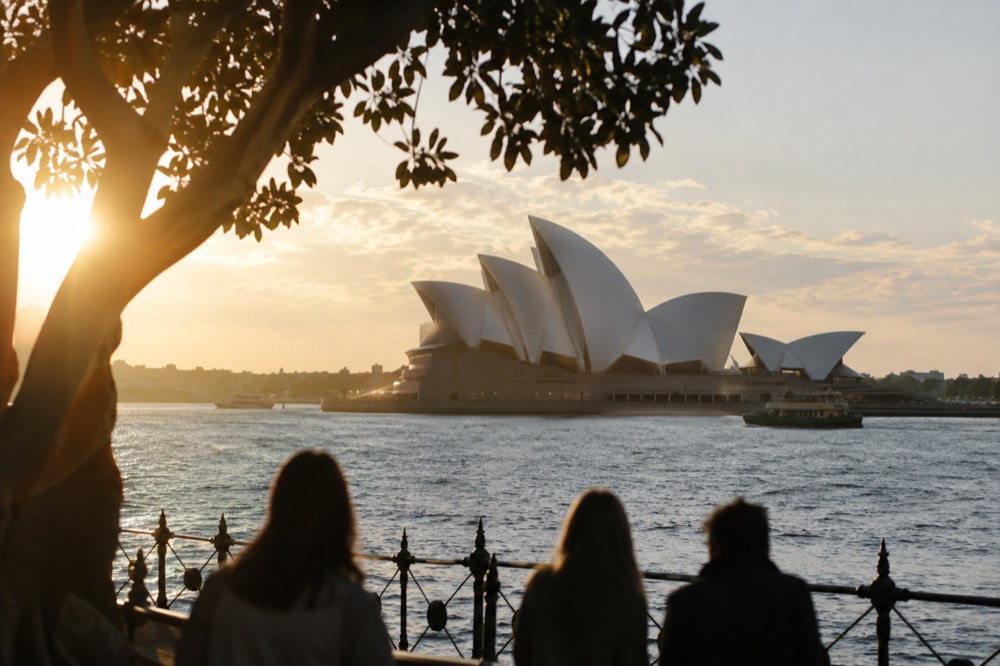
Here is how the main ways to experience the building compare:
| Experience | Time needed | What you get | Best for |
|---|---|---|---|
| Opera House guided tour with entry | About 1 hour | Guided access to foyers and available theatres, entry included | First-time visitors, architecture and theatre fans |
| Exterior and boardwalk on your own | 15-30 minutes | Sails, forecourt and harbour views, free | Tight budgets, quick visits |
| Attending a performance | An evening | A show inside a working hall, plus foyers at interval | Anyone who can plan a night around it |
| Opera Bar and the boardwalk | An hour or more | Harbourfront food and drinks beside the sails | Sunset, families, relaxed visits |
How Does the Guided Tour Compare to Visiting on Your Own?
Walking in on your own gets you the box office, the gift shop, the colonnade and whatever foyer happens to be open, but not the theatres, and it costs nothing. The guided tour is the only reliable way inside the performance spaces, and it adds the design and construction story from a guide who works the building daily. On a strict budget, the free visit plus the exterior is a legitimate plan; if you want to actually understand the place, take the tour.
The free experience is better than many guides admit. The western colonnade, the boardwalk and the forecourt are open to everyone, and the views back toward the Harbour Bridge from the northern boardwalk are among the best free vantage points in the city. You can eat at Opera Bar, watch the ferries leave Circular Quay and photograph the sails from a dozen angles without spending a cent on entry. Some travellers do exactly this and feel they have "done" the Opera House, and for a whirlwind stop that is defensible. The full index of guides sits on Sydney Travel Guide.
What the free visit cannot give you is the interior. The Concert Hall, with its acoustic redesign and the giant mechanical auditorium that lets the stage adapt between symphony and rock, is simply closed to unguided visitors. The story of the building, a design competition won by a then-unknown Danish architect, a construction saga that stretched more than a decade and forced his resignation from the project, is told on the tour with access to the spaces where it happened. That combination of access and narrative is what the ticket buys.
There is a middle path worth knowing about: attend something. A cheap seat at a daytime concert or a free event, when the programme allows, puts you inside a hall with the lights up and the sound real, which is an experience no tour talk can replicate. Check the venue's own what's-on listings alongside the tour calendar before deciding.
The tour ticket itself is a decision worth locking in early. Popular morning sessions fill first, and same-day bookings often mean taking whatever time is left rather than the one you wanted. You can Check availability alongside the entry-included tour page before you commit.
Which Sydney Opera House Tour Should You Pick?
Most visitors should take the standard one-hour guided tour with entry included, which covers the theatres and the building's story at a moderate price. A tour-and-dine package adds a meal and suits visitors turning the visit into a half-day. Language-specific and accessibility tours cover the same ground in the format you need. The longer, deeper backstage experiences suit repeat visitors and architecture enthusiasts who have already done the standard hour.
The standard tour is the volume product for a reason: it hits the highlights, it fits between a ferry arrival and a lunch booking, and it leaves you at the box office with the rest of your day intact. The tour-and-dine version pairs the guided hour with a meal at a nearby venue, which is a sensible upgrade if you were eating in the area anyway, since the Circular Quay dining scene clusters within a few hundred metres of the forecourt. Families often find the dine pairing works well with children who need a sit-down break after an hour of standing.
The tour plus dine experience is the main upgrade path, and the official guided walking tour covers the same core route for visitors who prefer booking the venue's own product. Neither changes the fundamental calculation: the hour inside is the product, and everything else is packaging around it.
One practical note on timing. The building sits at the busiest transport interchange in the city, and ferry, train and light rail all stop within a short walk, so a morning tour slots neatly before the crowds build at midday. If you are planning the wider first day, the one day in Sydney itinerary places the tour in a workable sequence with the Harbour Bridge and the ferry to Manly.
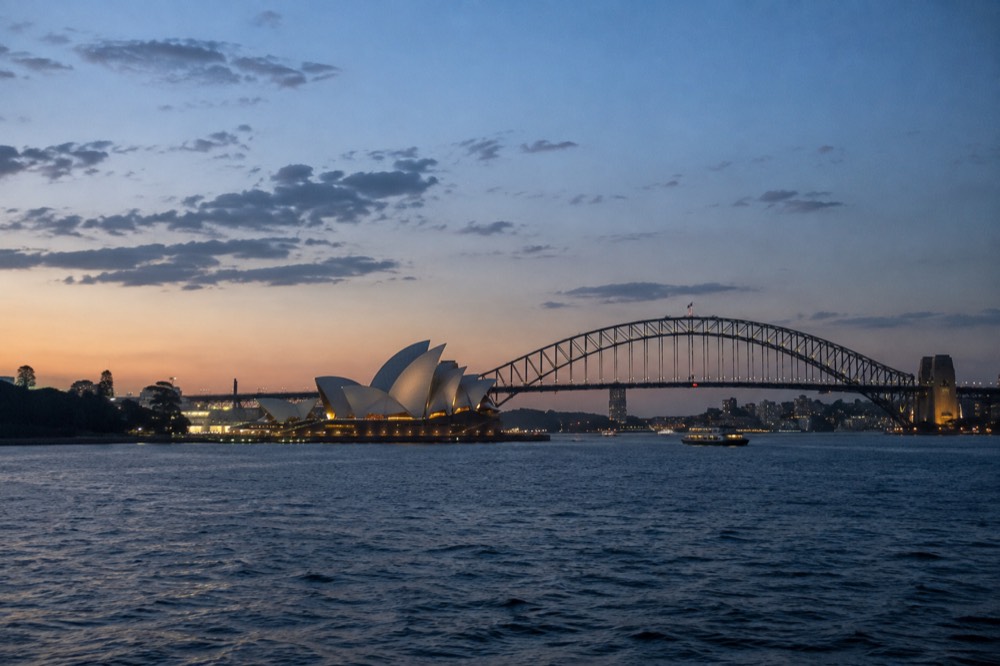
When Is the Opera House Tour Not Worth It?
Skip the tour if you are genuinely uninterested in architecture or theatre, if your budget cannot stretch past free activities, or if your visit falls on a day when rehearsals have closed the main halls and you have no flexibility to return. Travellers with limited mobility should also weigh the standing hour, though accessible tour formats exist. In those cases, the free exterior visit and a drink at the boardwalk deliver most of the magic without the ticket.
Budget is the honest first reason. Sydney is an expensive city, and a family of four can spend the tour money on a ferry day, a picnic in the Domain or a beach afternoon instead. The free things to do in Sydney guide shows how much of the city's best material, including the Opera House exterior, the Botanic Garden and the ferry rides, costs nothing or close to it. If the choice is between the tour and a meal you will remember, the meal wins for some travellers.
Interest is the second reason, and it is a legitimate one. A guide who cannot stop talking about precast concrete ribs and acoustic baffles is heaven for one visitor and purgatory for the next. If you have never enjoyed a guided venue tour anywhere, the pattern will not break here. The building's exterior beauty is fully available for free, and the best lookouts in Sydney include several angles on the sails that most visitors never find, including the view from across the water at Kirribilli.
Scheduling is the third. Because the theatres are working venues, a visit during a heavy performance season can mean closed halls, and the tour will not discount for it. If you are in the city for one day only, check the session calendar before you book rather than after. If you have flexibility, a weekday morning is the most reliable window for full theatre access.
What Do Traveller Reviews Say About the Opera House Tour?
Reviews for the guided tour are strongly positive across a very large review base, with the recurring themes being knowledgeable guides, real theatre access and good value for an hour. The consistent criticism is that theatre availability depends on the performance calendar, so a small share of visitors feel they saw less than advertised. That variance is the single biggest driver of a disappointing visit, and morning sessions reduce the risk.
The praise concentrates on the guides. Reviewers repeatedly single out storytellers who bring the construction saga and the venue's daily life alive, and many say the hour changed how they saw the building from the outside afterwards. Value comments cluster around the tour being one of the more affordable structured experiences at Circular Quay, especially compared with harbour cruises and the BridgeClimb, and several reviewers describe it as the best short activity they did in the city.
The complaints are equally consistent, and they are worth planning around. Visitors who toured on heavy rehearsal days report seeing fewer halls, and a few expected backstage areas that the standard tour does not include. Others found the hour rushed at peak times when groups are large. The practical fixes are simple: book a morning weekday session, accept that the route flexes with the venue's schedule, and treat the tour as an orientation to the building rather than a guaranteed room list.
For a deeper comparison of the options, the which Sydney Opera House tour is the best breakdown weighs the standard tour against the dine package and the backstage formats in more detail.
Common Questions About the Sydney Opera House Tour
Is the tour of Sydney Opera House worth it?
For most visitors, yes. The tour is the only reliable way inside the theatres and foyers, it runs about an hour, and it converts the building from a photo stop into the most informative hour at Circular Quay. Skip it only on a very tight budget or if architecture and theatre hold no interest for you.
Can you just walk into the Sydney Opera House?
You can walk into the box office area, the colonnade and the boardwalk for free, but the theatres and main foyers are only accessible on a guided tour or with a performance ticket. The exterior experience costs nothing and is genuinely good, but interior access requires the tour.
How long does the Opera House tour take?
The standard guided tour runs about sixty minutes, with tours operating roughly 9am to 5pm daily. Allow extra time for arrival, security and a look through the gift shop, and book a morning session if you want the best chance of full theatre access.
Do you need to book the Opera House tour in advance?
Booking ahead is strongly recommended. Popular morning sessions fill first, especially during peak season and festivals, and same-day availability is often limited to less convenient times. Advance booking also lets you pick a language-specific session where available.
Is the Opera House tour good for kids?
Generally yes, for school-age children. The hour is short, the guides are engaging, and the theatres are impressive spaces. Very young children may struggle with the standing time and quiet requirements in working venues, so families with toddlers often prefer the free exterior visit plus the boardwalk.
Are the theatres always open on the tour?
No. The Opera House is a working venue, and which theatres you enter depends on rehearsal and performance schedules that day. The tour route flexes around the calendar, so two visits rarely see identical interiors. Weekday mornings are the most reliable window for full access.