How Far in Advance Should You Book Sydney Tours?
Booking windows for Sydney tours: what needs weeks of lead time, what you can book on the day, and how Sydney's seasons and events change the maths.
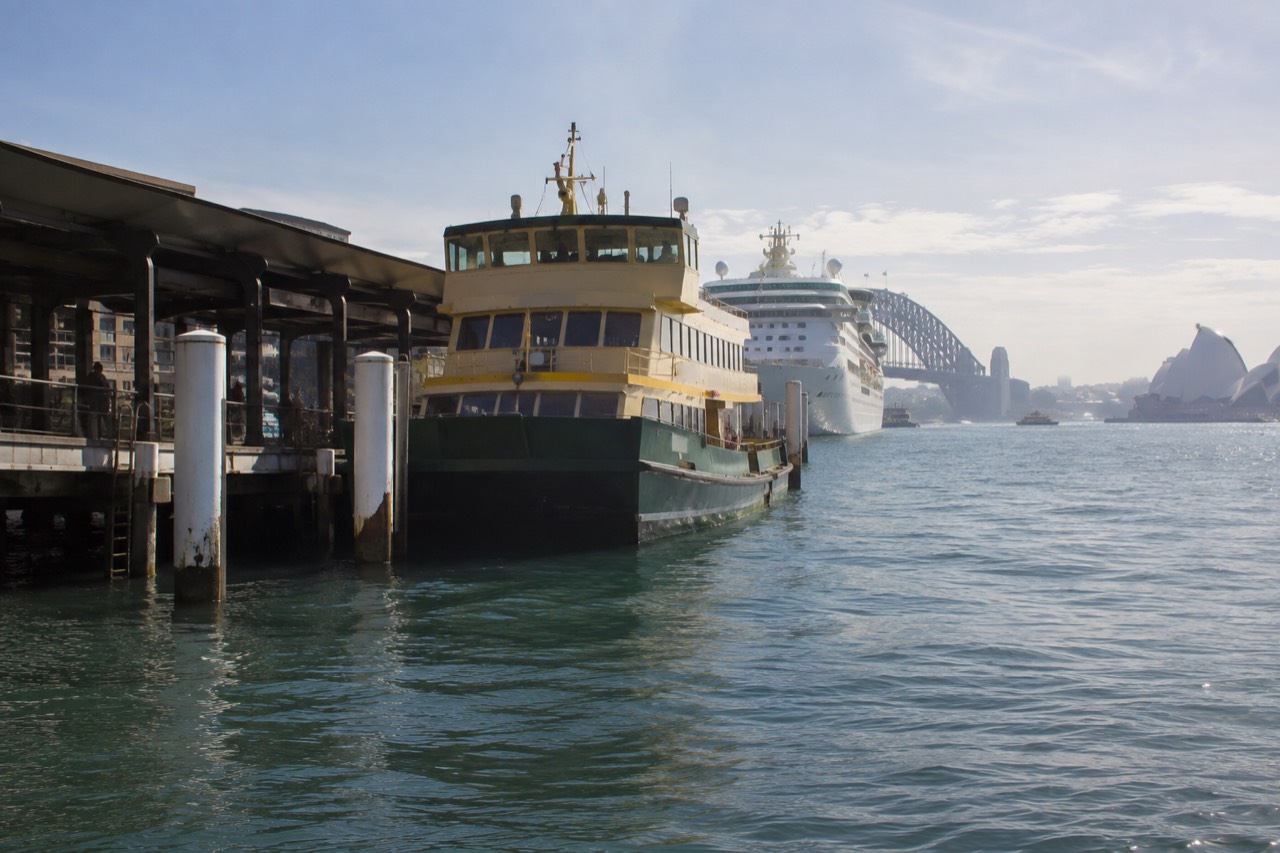
Sydney is unusual among big-ticket destinations in how forgiving its tour calendar is. A traveller can arrive mid-week in August, decide at breakfast to see the harbour from the water that afternoon, and find a seat on a cruise departing Circular Quay the same day. The same traveller who tries that with a BridgeClimb slot on a December Saturday, or a seat on a Blue Mountains day trip during school holidays, will often find the calendar full. The gap between those two experiences is what this page is about: which Sydney tours genuinely need lead time, which do not, and how the season moves the window.
How Far in Advance Should You Book Sydney Tours?
Most Sydney tours only need booking one to three days ahead, and many can be booked on the day itself. The exceptions are BridgeClimb, Blue Mountains day trips, whale watching in peak season and anything during Vivid Sydney or the Christmas and New Year period, where two to six weeks of lead time is the safer rule. Sydney's peak season is December to February, and that is when last-minute planning fails.
The honest answer is that Sydney punishes improvisation unevenly. Tours with large capacities, frequent departures and no fixed seating, such as harbour sightseeing cruises, hop-on hop-off buses and most walking tours, run multiple times a day and absorb late bookers. Tours with small group sizes, fixed departure times or physical limits, such as bridge climbs, small-group day trips and seasonal wildlife cruises, sell out first. A good working rule: if the tour has a guide-to-guest ratio you would notice, book it earlier.
It also matters what kind of traveller you are. If your dates are fixed and your list is short, book the two or three things that matter most before you leave home and leave the rest open. Sydney rewards that hybrid approach better than almost any comparable city, because its supply of walk-up experiences, from the Royal Botanic Garden Sydney to the ferry network, is enormous. The tours you book in advance are the frame; the gaps fill themselves.
Which Sydney Tours Sell Out First?
BridgeClimb sells out first, followed by small-group Blue Mountains day trips and seasonal whale watching cruises. BridgeClimb runs a limited number of climbers per departure at fixed times, roughly three hours per experience, so peak summer weekends and twilight sessions go weeks in advance. Whale watching runs only May to November, so the season itself constrains supply, with late June and July the busiest weeks.
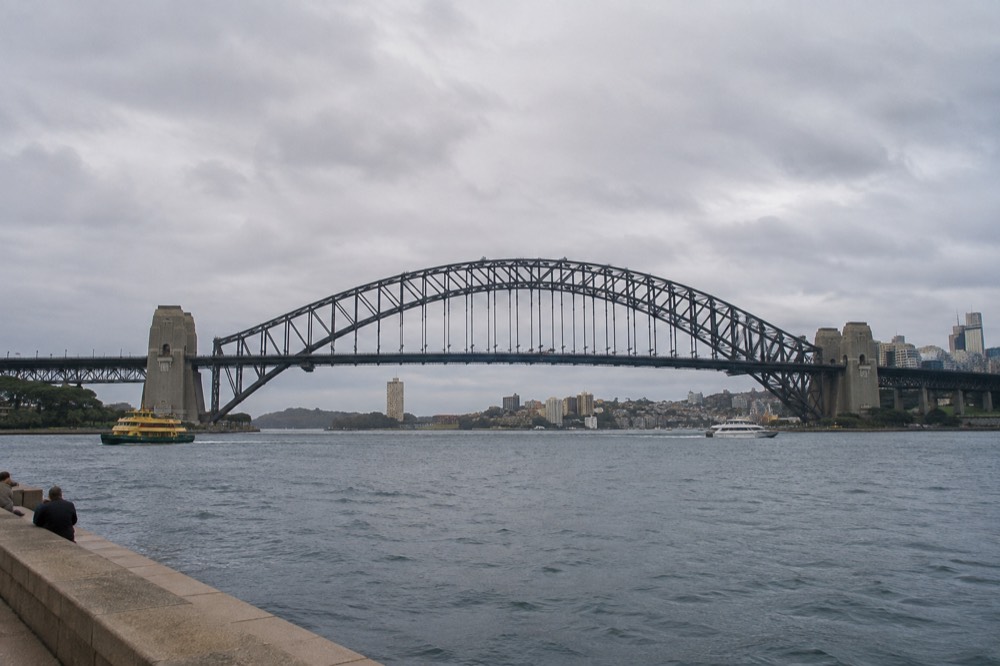
The bridge is the clearest case. Every climber is harnessed, briefed and escorted, which caps numbers per slot in a way a boat or bus never is. The operator's own factsheet shows rates quoted for the 2026 to 2027 period and dynamic pricing by date and demand, which is the market telling you plainly that popular slots carry a premium and disappear early. Night climbs and twilight climbs, the sessions with the best light on the harbour, are the ones locals and visitors fight over.
Blue Mountains day trips are the second squeeze. The best small-group versions cap their vehicles, and the Blue Mountains is Sydney's single most popular day trip, so a school-holiday Tuesday can look like a summer Saturday. The all-inclusive options with a local guide carry the strongest reviews on the whole Sydney roster, and strong reviews mean strong demand. If a Blue Mountains day trip is the centrepiece of your trip, give it a fortnight in peak periods.
Whale watching is a different kind of constraint: the season, May to November, does the rationing. NSW National Parks puts the northern migration around May to July and the southern, closer-to-shore migration around August to November, with peak numbers late June through July. Cruises only run while the whales are moving, so supply is fixed and demand spikes exactly when sightings are best. Book those peak weeks early, and never treat a sighting as guaranteed; the whales keep their own calendar.
Here is the whole picture in one place, so you can sort your own list at a glance:
| Tour type | Lead time (shoulder season) | Lead time (peak / events) | Why it sells out |
|---|---|---|---|
| BridgeClimb (all sessions) | 1-2 weeks | 4-6 weeks | Capped climbers per departure, dynamic pricing |
| Small-group Blue Mountains day trip | 1 week | 2-4 weeks | Fixed vehicle size, Sydney's most popular day trip |
| Whale watching cruise (May-November) | 3-5 days | 2-3 weeks in late June-July | Seasonal supply, peak demand in migration peak |
| Harbour sightseeing cruise | Same day to 1 day | 3-5 days around Vivid and NYE | Large capacity, frequent departures |
| Walking tours (The Rocks and similar) | 1-2 days | 1 week on festival weekends | Daily departures, moderate group sizes |
| Observation deck / zoo / aquarium entry | Same day | 2-3 days in school holidays | Timed or dated entry, high volume |
What Can You Book Last Minute in Sydney?
Harbour cruises, observation decks, zoo and aquarium entry, walking tours and hop-on hop-off buses can almost always be booked the day before or on the day. These products run high-frequency departures or open-dated entry, so capacity rarely binds. The one caveat is weather: a rain day pushes everyone indoors at once, and indoor attractions fill fastest exactly when you want them.
The sightseeing cruise is the model case. It runs morning and afternoon departures from Circular Quay, a boat takes dozens of passengers, and a second sailing is never far away. That makes it the ideal tour to hold loosely in your plans: you can decide the night before, or that morning, based on the sky. The same logic applies to the observation deck at Sydney Tower Eye, which sells timed entry but in volume, and to general-entry zoo and aquarium tickets, which are dated rather than slotted.
Walking tours sit in between. The Rocks guided walk runs daily and takes good-sized groups, so a day or two of notice is usually plenty, though a weekend during a festival can tighten it. The pub walk and the food tours run less often and in smaller groups, so those deserve a few more days. As a rule of thumb, anything with a fixed daily departure time and a small group cap deserves a week; anything with open entry or hourly departures deserves only a glance at the weather forecast.
That flexibility is worth planning around. A smart Sydney itinerary books the scarce things first, the climb, the day trip, the seasonal cruise, then fills the middle days with the flexible inventory. If you are working out how to structure the days themselves, our one day in Sydney guide shows how a booked anchor plus walk-up filler works in practice.
The cruise is worth singling out for one more reason: it is the product most likely to still have a seat when everything else on your list has filled. Morning and afternoon departures mean two chances a day, and the harbour looks good in both. If your Sydney week is still a sketch rather than a schedule, this is the tour to leave open and book when the forecast firms up.
Do Sydney Tours Get More Expensive Closer to the Date?
Often yes, for dynamically priced attractions, and no, for most small-group tours, which simply sell out instead. Sydney Tower Eye, Taronga Zoo and the Sydney Opera House tours all price dynamically or reward advance purchase: Taronga's own pricing page shows online tickets roughly 10% cheaper than the gate at every tier, and the Opera House publishes no fixed tour price at all because it varies by date and session.
The pattern to understand is that Sydney's big attractions behave like airlines and its small-group tours behave like restaurants. The attractions that control their own ticketing, Taronga Zoo and Sydney Tower Eye among them, discount advance purchase and surge high-demand dates. The Opera House is the most explicit case: its official tours page lists no fixed public price because pricing is dynamic and booking-only, so booking early is not just about the seat, it is about the rate.
Small-group tours work differently. Their prices are set per season, so the fare you pay in March is broadly the fare you pay in December. What changes is availability. The lesson is that waiting costs you money on attractions and costs you the tour itself on small-group products. If a sell-out risk and a price risk sit in the same itinerary, book the sell-out risk first and let the price risk ride a little.
One more Sydney-specific wrinkle: the school holidays. NSW school terms split the year into stretches where family-oriented products, zoo entry, aquariums, the hop-on hop-off bus, run at full pressure, roughly April, July and the December-to-January window. Prices and availability both move. Our best time to visit Sydney guide breaks the year down month by month if you are still choosing when to come.
How Do Seasons and Events Change Booking Windows in Sydney?
Sydney's peak season is December to February, and event weekends compress booking windows hardest: Vivid Sydney in late May to mid-June, New Year's Eve, and the Mardi Gras parade in early March each draw hundreds of thousands to the harbour and inner city. During those windows, add two to four weeks to every booking lead time, including hotels, and expect the cheap tiers to be gone.
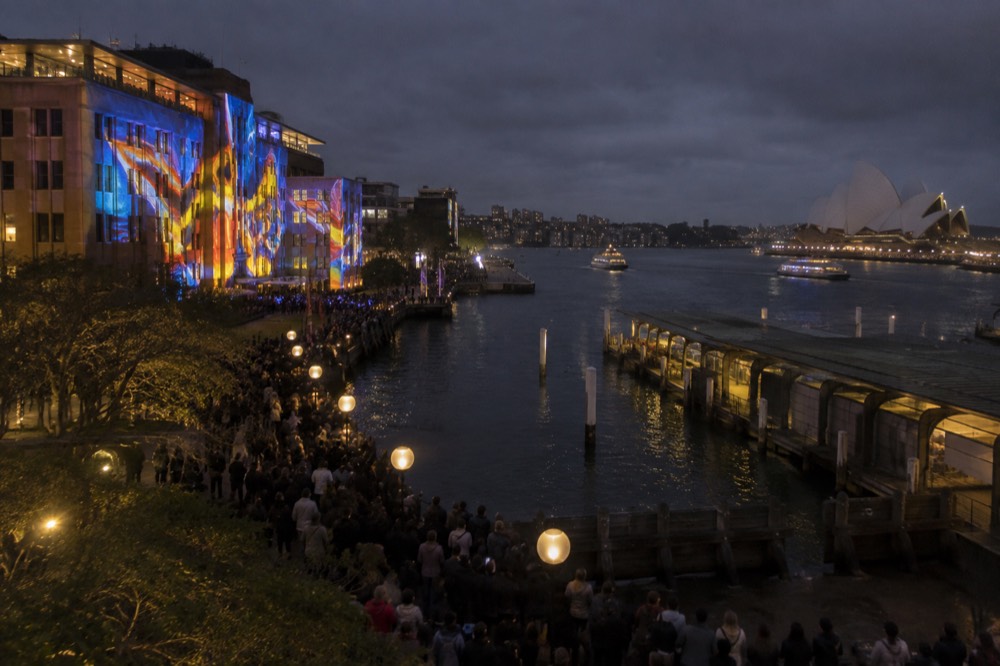
Vivid Sydney is the clearest example. The 2026 festival ran 22 May to 13 June, more than 80% of it free, and drew attendance in the millions in recent years. When that many people are standing on the harbour foreshore at night, the sunset cruises, the dinner cruises and every restaurant-adjacent tour sell like concert tickets. The same applies to New Year's Eve, when up to a million people gather around the harbour for the 9pm family fireworks and the midnight display; anything on the water that night is booked far ahead.
The seasonal whale watching window interacts with events differently. Because the season runs May to November, it overlaps Vivid entirely, and the peak whale weeks of late June and July sit inside the festival's second half. A traveller who wants both a festival evening and a whale cruise in the same June week is competing with two crowds at once. That is the kind of stacking nobody warns you about, and it is worth checking the Sydney events calendar before you pick your dates.
Weather cuts the other way, and Sydney's weather is counterintuitive. June is statistically the wettest month of the year in Sydney, wetter than any summer month, while August has the most clear days. Peak tourist season, December to February, is actually the cloudiest stretch of the year. For booking purposes this means: winter tours are easier to get and often cheaper, summer tours are scarcer and brighter-skied but not guaranteed dry, and the shoulder months of October, November and March are the sweet spot where availability and weather both cooperate.
Common Questions About Booking Sydney Tours
How far in advance should you book Sydney tours?
One to three days covers most Sydney tours, including harbour cruises, walking tours and observation decks. Book two to six weeks ahead for BridgeClimb, small-group Blue Mountains day trips, peak-season whale watching and anything during Vivid Sydney, New Year's Eve or the December-to-February summer peak.
Do I need to book the BridgeClimb before I arrive in Sydney?
In peak season, yes. Climber numbers per departure are capped, twilight and night sessions are the most popular, and the operator prices dynamically by date and demand. A fortnight or more of lead time is sensible for summer weekends; mid-winter weekdays can sometimes be booked within days.
Can you book a Sydney Harbour cruise on the same day?
Usually yes. Sightseeing cruises run morning and afternoon departures with large passenger capacity, so same-day or next-day booking works except on festival nights and New Year's Eve. Dinner cruises and small sailing vessels have tighter capacity and deserve a few more days.
When is whale watching in Sydney, and how early should I book?
The season runs May to November, with the northern migration around May to July and the southern migration around August to November. Peak viewing is late June through July, and those weeks sell earliest. Book a fortnight or more ahead for peak season, and remember no sighting is ever guaranteed.
Are Sydney tours cheaper if you book early?
For the big attractions, often yes: Taronga Zoo's own pricing shows online tickets roughly 10% cheaper than the gate, and Sydney Tower Eye discounts advance purchase. The Opera House uses dynamic, booking-only pricing for its tours. Small-group tours hold their price but sell out instead, so waiting there costs availability rather than money.
What happens if it rains on my Sydney tour day?
Most operators run in rain, and Sydney's rain is usually heavy and brief rather than all-day. Cruises and bus tours proceed; bridge climbs run in most conditions. Check the operator's cancellation terms when booking, and keep in mind June is Sydney's wettest month on average, so build a little slack into winter itineraries.
If you take one thing from this page, let it be this: Sydney does not require an itinerary booked months ahead, it requires you to know which two or three items are scarce. Book the climb, the day trip and the seasonal cruise early, hold the harbour cruise and the deck loosely, and let the rest of the city fill in around them. For everything else worth locking in, Sydney Travel Guide keeps the full run of planning pages, from the Blue Mountains day trip guide to the Sydney harbour cruises guide.