How Do I Pay for Entry to Royal National Park?
Royal National Park charges $12 per vehicle per day, and there are four ways to pay: the visitor centre, entry stations, pay machines and the Park'nPay app. Here is how each works, and when you pay nothing at all.
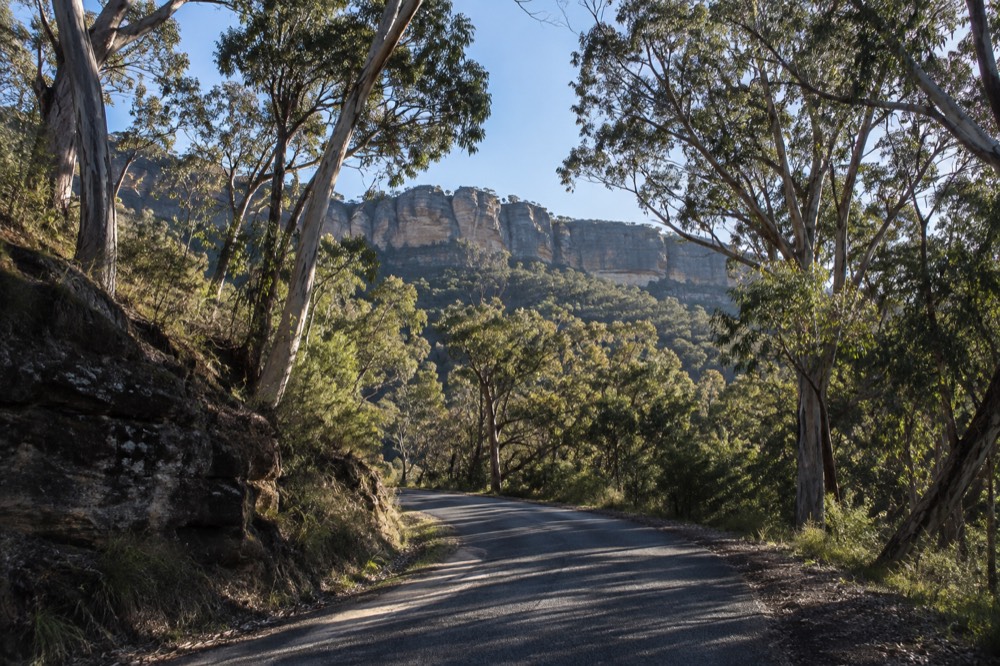
Royal National Park sits on Sydney's southern doorstep, and it is one of the few major parks in New South Wales where the payment question actually matters. The fee is charged per vehicle, not per person, which changes the maths completely for a family or a car full of friends. NSW National Parks publishes the current fees on its passes and fees page, and the short version is simple: $12 per vehicle per day, payable at the visitor centre, at entry stations, at pay machines, or through the Park'nPay app.
There is a wrinkle most guides miss. Larger vehicles, those over eight seats, are charged per person instead: $4.40 per adult and $2.20 per child per day. And if you arrive without a car, the question of how to pay usually disappears altogether. This page walks through each payment method, what each one costs, and the situations where you pay nothing.
How Do I Pay for Entry to Royal National Park?
You pay $12 per vehicle per day, and you have four ways to do it: buy at the Royal National Park visitor centre, pay at an entry station, use one of the park's pay machines, or pay through the Park'nPay app on your phone. The fee is charged per vehicle, not per person, so a car carrying four people pays the same $12 as a solo driver. If you walk in, cycle in or arrive by public transport, no entry fee applies at all.
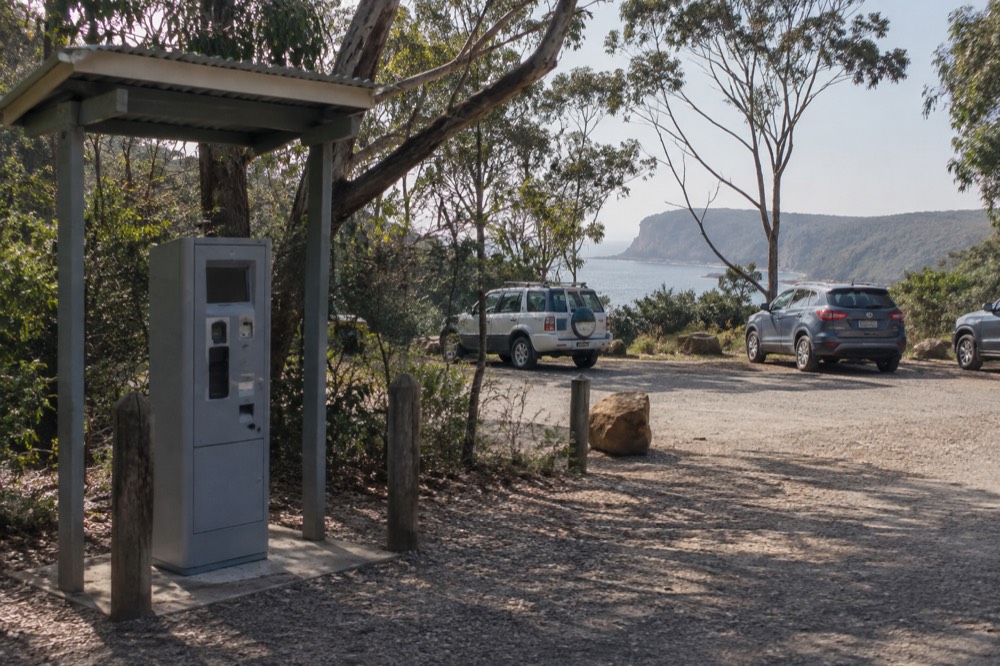
The visitor centre option is the most reliable. Staff can sell you a day pass on the spot, answer questions about track conditions, and point you at the current alerts, which matter in a park with regular closures for fire work, track maintenance and weather damage. Entry stations operate at the busiest access points on high-traffic days, though they are not staffed year-round, so do not build a plan around one being open. Pay machines sit at popular spots and take the guesswork out of self-service payment. The Park'nPay app, run by NSW National Parks, lets you register your vehicle and pay from your phone, which is the method most locals default to now.
One practical note worth knowing before you drive down: the fee is enforced. Rangers do check vehicles at car parks and trailheads, and an unpaid vehicle fee can turn into a fine much larger than the $12 it would have cost. If you arrive early, before any payment point is staffed, use the app or a pay machine rather than deciding you will sort it out later.
What Does Entry to Royal National Park Cost?
A standard vehicle pays $12 for a full day, and that single payment covers everyone inside the car, whether there is one person or five. Vehicles over eight seats, such as mini buses, pay per person instead: $4.40 per adult and $2.20 per child per day, with teachers and educational supervisors free. Arriving on foot or by bicycle is also free. Vehicles over eight seats, such as mini buses, are the exception: they pay per person instead, at $4.40 per adult and $2.20 per child per day, with teachers and educational supervisors free. There is no per-person charge for a normal car, and no separate gate fee for children or seniors arriving in one.
| Who or what | Fee | Notes |
|---|---|---|
| Standard vehicle, 1 day | $12 | Covers all occupants of the car |
| Vehicle over 8 seats, per adult | $4.40 | Charged per person, per day |
| Vehicle over 8 seats, per child | $2.20 | Charged per person, per day |
| Teachers and educational supervisors | Free | Applies to supervising groups |
| Arriving on foot or by bicycle | Free | No vehicle, no vehicle fee |
The per-vehicle structure makes the park unusually good value for groups. Four adults splitting a car are paying $3 each for a day that might include the Coast Track, Wattamolla and a swim, which is hard to beat anywhere within an hour of Sydney. A solo driver pays the full $12 alone, so if you are travelling solo and watching the budget, the public transport route into the park, or a walk-in entry point, saves the fee entirely.
Compare that with the other parks around Sydney and the fee is mid-range. Ku-ring-gai Chase National Park also charges $12 per vehicle per day. Sydney Harbour National Park charges smaller amounts at specific precincts, such as $5 at North Head and $8 at Bradleys Head. The Blue Mountains National Park, which many visitors assume must be expensive, is free everywhere except the Glenbrook area, where it is $8. Our Blue Mountains day trip guide covers that side of the city if you are weighing up where your day-trip budget goes.
Can You Pay for Royal National Park with a Card or Phone?
Yes, both work. The pay machines take card payments, and the Park'nPay app is the phone-first option, letting you register your vehicle and pay from anywhere in the park at any hour, including early mornings when nothing is staffed. Cash is the least reliable method, because unstaffed points have no way to take it, so do not count on notes and coins working at every entrance or car park you stop at.
The app deserves a proper explanation because it is the method that trips up the fewest people. You download Park'nPay, register the vehicle you are driving, select Royal National Park, and pay for the day. The advantage is that it works at every car park in the park, at any hour, including early mornings when nothing is staffed. The disadvantage is that it needs mobile coverage and a working card attached to the app, so set it up before you lose signal in the park's deeper valleys.
Pay machines are the middle option. They sit at major car parks, take card payments, and print or log your ticket without any human involvement. They are the right choice if you do not want an app on your phone or your rental car is registered to someone else. The visitor centre, meanwhile, can take payment in person and is also where you sort out anything unusual, such as a large group vehicle or questions about which pass suits a multi-day stay.
Not Driving? Here Is a Paid Alternative in the City
If the whole question of vehicle fees, parking and app setup is putting you off, remember that Sydney's core sightseeing needs no car at all. The ferries, the Opera House and the harbour walkways are all reachable on foot or by Opal card, and plenty of visitors build an entire trip without once paying a parking fee. Our overview of free things to do in Sydney covers the no-cost end of that plan.
Do You Have to Pay If You Arrive by Train, Foot or Bike?
No. The Royal National Park entry fee is a vehicle fee, and this is NSW National Parks' standard structure: no vehicle, no vehicle fee. Arriving on foot, by bicycle or by public transport avoids it entirely, and the $4.40 and $2.20 per-person rates apply only to vehicles over eight seats, so there is no gate charge for walkers or cyclists. This is NSW National Parks' standard structure across its fee-collecting parks: no vehicle, no vehicle fee. The per-person charges that do exist, the $4.40 and $2.20 rates, apply only to vehicles over eight seats, which tells you the fee is designed to cover roads, car parks and the infrastructure cars require.
This is the single biggest money-saver in the whole question, and it is genuinely under-used. The park's eastern edge, around Bundeena and the Coast Track, is reachable by ferry from Cronulla, and walkers regularly do a Bundeena-to-OTERS stretch of the Coast Track as a day walk using only public transport. A person on foot imposes almost none of the wear that a car does, and the fee structure reflects that.
| Arrival method | Entry fee | What to plan for |
|---|---|---|
| Private car | $12 per vehicle per day | Pay at centre, station, machine or app |
| Vehicle over 8 seats | $4.40 adult / $2.20 child per day | Arrange in advance for groups |
| Bicycle | Free | Carry water; distances inside the park are long |
| On foot | Free | Track alerts still apply, check before you go |
| Public transport plus ferry | Free | Timetables are thinner than city services |
Two cautions for the car-free route. First, public transport into the park is thinner than anything in Sydney proper, so check return times before you commit to a long walk; our day trips from Sydney without a car guide covers the planning pattern. Second, the free entry does not mean free everything: some car parks, picnic shelters and attractions inside parks can carry separate charges, and the Royal National Park guide lists what to expect once you are inside.
Do Annual Passes Cover Royal National Park?
Yes. Royal National Park is a fee-collecting park, so NSW National Parks annual passes that include fee-collecting parks cover its $12 daily vehicle fee, and the pass attaches to the vehicle rather than the person. The Multi Park Pass runs roughly $65 a year, while the All Parks Pass, roughly $190 a year, adds Kosciuszko and other high-fee parks. The Multi Park Pass, roughly $65 a year, pays for itself after about six vehicle days across the covered parks, and the All Parks Pass, roughly $190 a year, adds Kosciuszko and other high-fee parks on top. A single visit with one park day should just pay the $12; buying an annual pass for one trip is money burnt.
The maths is straightforward. If you live in Sydney, or you are visiting for a month and plan several park days, six visits to Royal National Park at $12 each is $72, which already clears the Multi Park Pass price. Seniors discounts apply to some passes, and the full current price list sits on the official day passes page, which is where the exact figures live.
One thing passes do not change: the per-person charge for vehicles over eight seats is a separate structure, and a group mini bus does not simply drive in on a standard annual pass the way a family car does. If you are organising a club trip or a school group, contact the visitor centre in advance rather than assuming the pass structure you know from your own car transfers across.
Is the Park Fee Worth It Compared with Sydney's Paid Attractions?
For most visitors, yes. Twelve dollars split across a car of three or four people buys access to a full day of coastline, swimming spots and walking tracks, which undercuts almost every ticketed attraction in central Sydney on a per-person basis. The comparison only tilts the other way for a solo visitor on a short stay, where a city attraction may deliver more per dollar than a two-hour round trip south. The value depends on using the whole day rather than a single lookout.
The honest framing is this: Royal National Park is a whole-day destination with a whole-day fee, and the value depends on using the whole day. If you drive down at 11am, see one lookout and leave by 2pm, the $12 felt expensive and the problem was the plan, not the price. If you swim at Wattamolla, walk a section of the Coast Track and finish at Bundeena, the fee rounds down to nothing per hour.
For the days when you would rather stay in the city, the harbour is the natural alternative. The sightseeing cruise that runs morning or afternoon departures from Circular Quay is one of the cheapest ways to get on the water, and it pairs well with a morning in The Rocks or an afternoon at the Tower Eye observation deck, all without a car, a parking fee or a payment app.
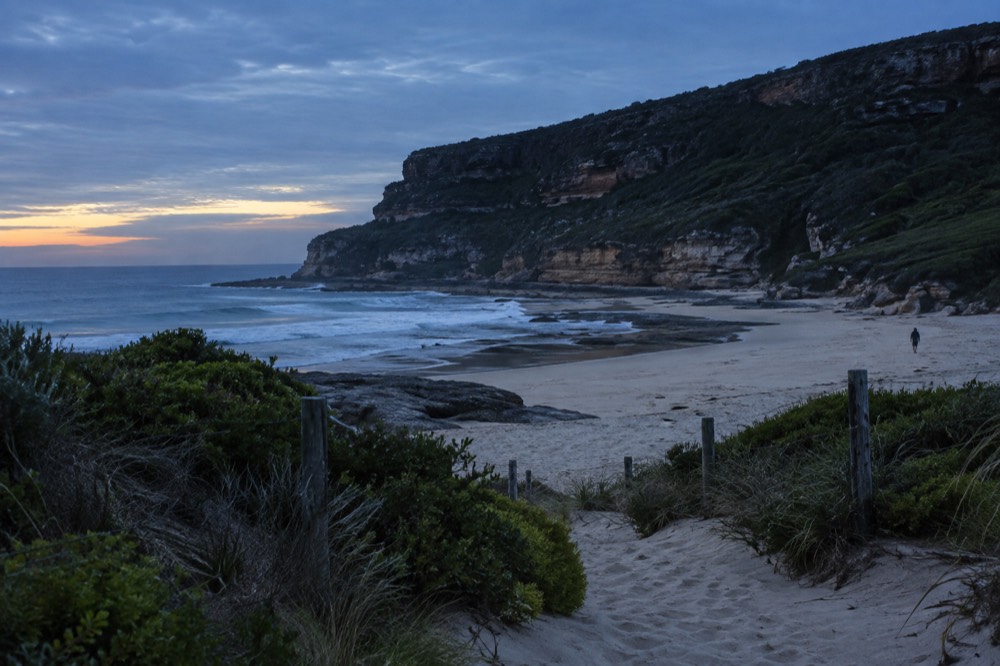
Whichever way the day goes, the payment question at the park itself should never be the reason you skip it. The four payment methods mean there is always one that works, and the car-free route means the fee is optional in a way most people never realise. If you are weighing up whether the park justifies the drive at all, our piece on what you can do on a day trip to Royal National Park lays out the full case, and the planning basics sit in the Sydney Travel Guide day-trip pages.
Common Questions About Paying for Royal National Park Entry
How do I pay for entry to Royal National Park?
Pay $12 per vehicle per day at the visitor centre, an entry station, a pay machine, or through the Park'nPay app. The fee is per vehicle, so everyone in the car is covered by one payment.
Is entry to Royal National Park free?
Only if you arrive without a vehicle. Walkers, cyclists and people coming by public transport pay no entry fee. A standard vehicle pays $12 per day, and vehicles over eight seats pay per person instead: $4.40 per adult and $2.20 per child.
Can I pay for Royal National Park with a credit card?
Yes. Pay machines take card payments, and the Park'nPay app charges a registered card from your phone. Cash is the least dependable option because unstaffed entry points cannot take it.
Do I need to pay if I park outside the park and walk in?
No. The fee applies to vehicles entering the park. If you park legally outside the boundary and walk in, there is no per-person entry charge.
Does an annual pass cover Royal National Park?
Yes. Royal National Park is a fee-collecting park, so the Multi Park Pass and All Parks Pass both cover its daily vehicle fee. A pass pays for itself after roughly six vehicle days in the covered parks.