How Can I Get to the Hunter Valley from Sydney?
The realistic ways to reach the Hunter Valley from Sydney: self-drive, guided wine day tours, train and coach combinations, and private transfers, with what each one costs you in freedom and time.
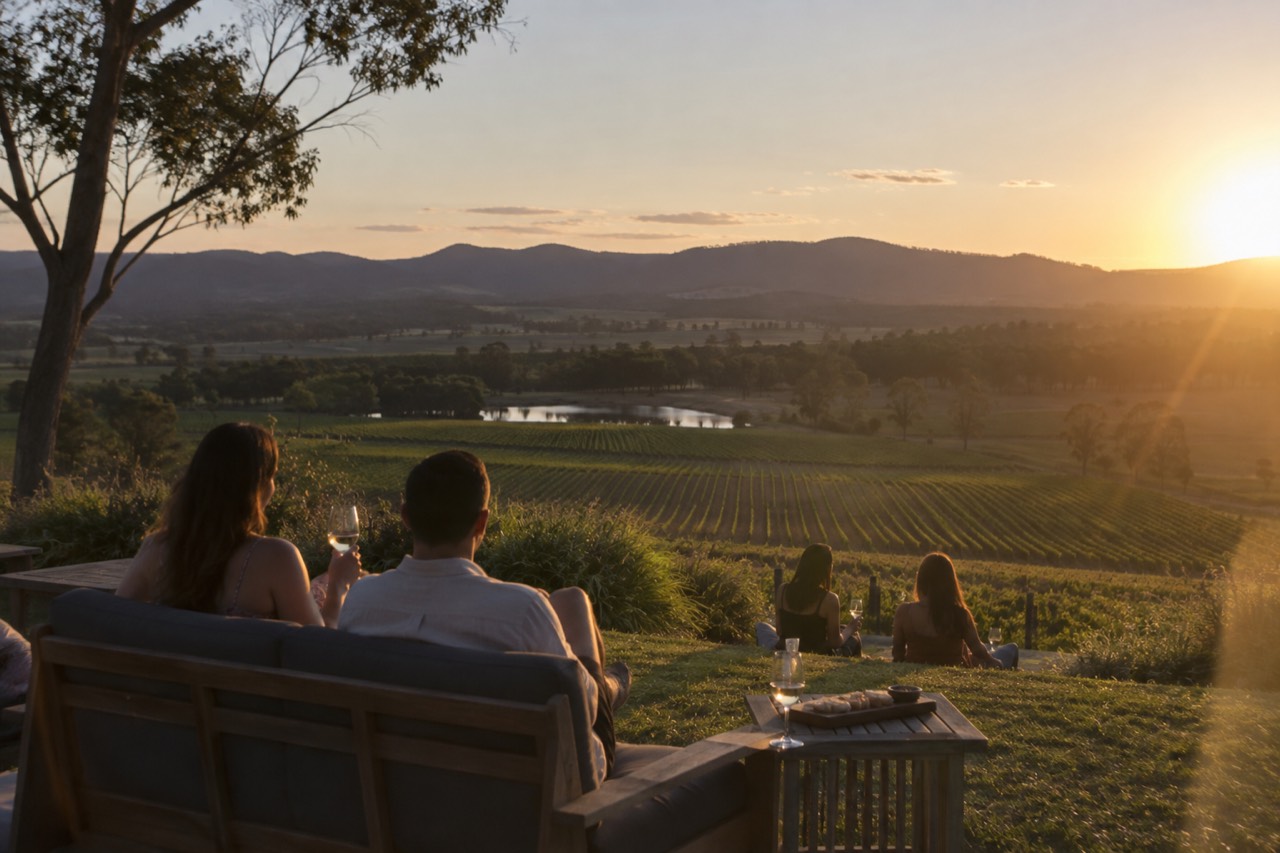
How Can I Get to the Hunter Valley from Sydney?
You have four realistic options: drive yourself, join an organised wine day tour, combine a regional train with a connecting coach or transfer, or book a private transfer. Most visitors without a car choose a guided day tour, because cellar doors are scattered along country roads and none of them sit within walking distance of a station. A self-drive gives the most freedom, but it takes the designated driver off the tasting list. Whichever way you go, the trip takes up most of the day.
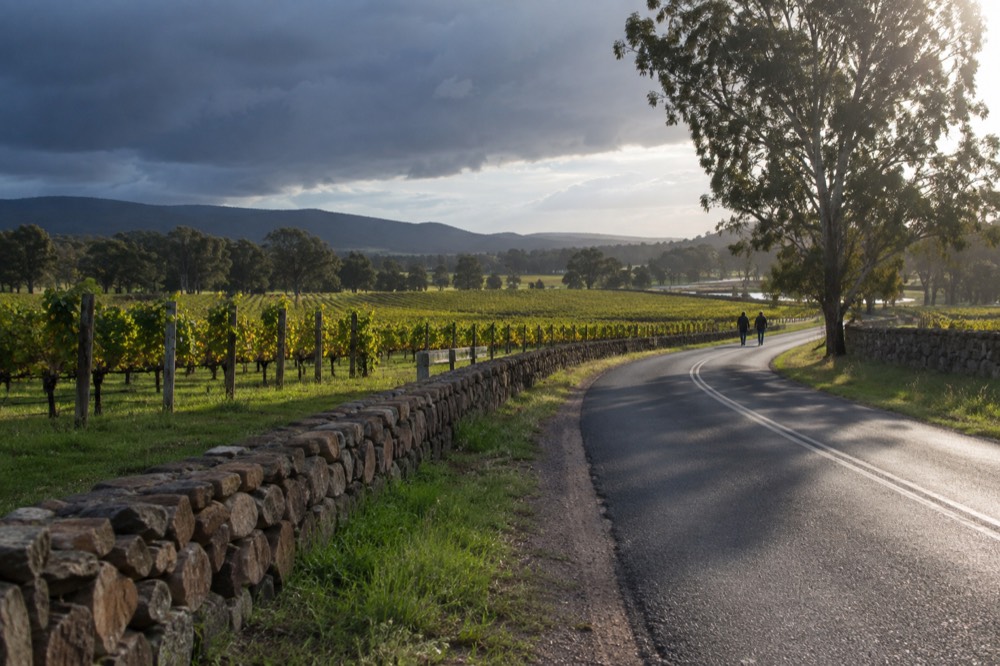
The Hunter Valley sits north of Sydney, and its appeal is exactly what makes it awkward to reach: it is a dispersed rural region of vineyards, cellar doors and small towns rather than one compact centre you can walk around. That shapes every transport decision. A traveller staying in the Sydney CBD who wants a wine-tasting day is really choosing between convenience and control, and the right answer depends on whether the driver in the group wants to taste.
Here is how the four options line up against each other.
| Option | Best for | Main trade-off |
|---|---|---|
| Self-drive | Groups who want to set their own pace and route | The driver cannot taste, and you navigate unfamiliar country roads |
| Guided day tour | Visitors without a car who want the wineries organised for them | Fixed itinerary and set departure times |
| Train plus coach or transfer | Independent travellers on a tighter budget | Connections add complexity and limit how many cellar doors you reach |
| Private transfer | Small groups who want flexibility without driving | The most expensive option by a wide margin |
Before committing to any of them, it helps to read up on the region itself. Our Hunter Valley day trip guide covers what to actually do once you arrive, and our overview of car-free day trips from Sydney places the valley in context alongside other destinations you can manage without driving.
What's the Best Way to Reach the Hunter Valley Without a Car?
For most car-free visitors, a guided day tour is the best option, because it solves the two problems the Hunter Valley poses at once: getting there and getting between cellar doors. Tours depart from central Sydney, handle the driving on country roads, and build an itinerary of tastings that would otherwise require you to book several separate vehicles. The alternative, a train towards the valley combined with local connections, is possible but slow, and it leaves you with little time at the wineries themselves.
The practical case for a tour is not just convenience, it is arithmetic. A wine region with widely spaced cellar doors rewards a vehicle that stays with you all day, and a tour coach does exactly that. You also sidestep the question of who abstains from tasting, since nobody in your group has to drive.
If you are weighing the valley against other guided day trips out of the city, these three are the ones travellers compare most often:
The Hunter Valley option in that set is the one built around wine and lunch. The Blue Mountains alternative suits travellers who want escarpment views and native wildlife instead of vineyards, and it is worth knowing that the Blue Mountains National Park charges no vehicle entry fee outside the Glenbrook area, a detail that surprises many first-time visitors (NSW National Parks lists the fee-collecting parks). The Opera House tour, meanwhile, is the fallback for a day when leaving the city does not appeal at all.
Is a Guided Hunter Valley Wine Tour Better Than Driving Yourself?
A guided tour wins for anyone whose main goal is tasting wine, because it removes the designated-driver problem entirely and bundles tastings, lunch and transport into one booking. Driving yourself wins for groups with mixed interests, families, or anyone who wants to linger at one winery, visit a brewery or cheese shop, or leave early. As a rough rule: if wine is the point of the trip, take the tour; if the valley is the point, drive.
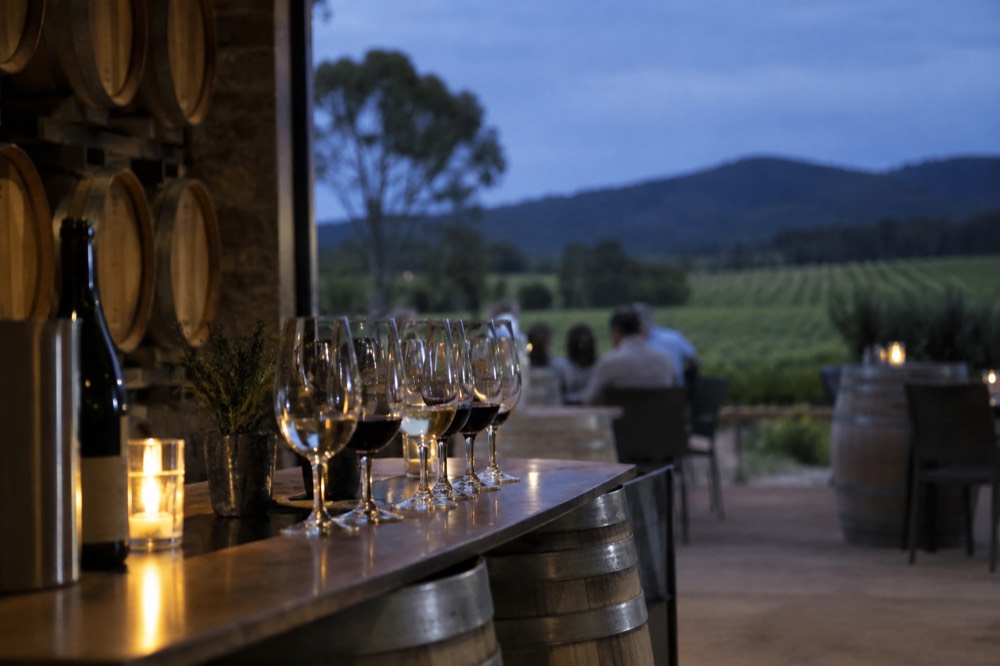
The Premium Hunter Valley Wine Tour with 2-Course Lunch from Sydney is the strongest example of the tour case. It runs as a full-day experience with a two-course lunch included, which matters more than it sounds: a day of tastings on an empty stomach goes badly, and arranging lunch independently in a scattered region eats into your time. The tour also handles the sequencing, so you are not phoning cellar doors to ask whether they can fit your group in at short notice.
Driving yourself, by contrast, gives you the itinerary nobody else can build. You can stop at a farmers market, detour to a lookout, or skip a winery everyone recommends because the queue at the bar is four deep. The costs are real, though: car hire for the day, fuel, and a driver who spends the afternoon drinking water while everyone else drinks semillon. There is also the question of whether a day trip is even the right frame. Our piece on whether the Hunter Valley is better as a day trip or an overnight stay digs into that trade-off, and the road-trip stops between Sydney and the valley have their own write-up in our guide to Sydney to Hunter Valley road trip stops.
Can You Get to the Hunter Valley by Train and Coach?
Yes, but it is the slowest and least flexible option, and it is the one we would only recommend to travellers who genuinely enjoy the journey as part of the trip. Regional trains run north from Sydney towards the Hunter region, but no station sits in the heart of wine country, so a train ticket alone does not get you to a cellar door. You need to plan the last leg, a local coach, a taxi or a pre-booked transfer, before you leave Sydney.
The honest summary of public transport to the valley is this: it works as an adventure, not as an efficient wine day. The train gets you into the region, but the wineries are then spread along roads the local networks only partly cover, and waiting for connections in a place built around private vehicles can consume hours you meant to spend tasting. Sydney itself has no general free public transport (Transport for NSW confirms free travel is event-specific), so every leg of the trip costs money on top of the time it takes.
If you do go this route, plan it around the connections rather than the train.
| Planning step | What to decide |
|---|---|
| Departure | Which Sydney station your regional service leaves from, and how early you need to be there |
| Arrival leg | The station you get off at, and what connects from it towards the vineyards |
| Last mile | Coach, taxi or pre-booked transfer from the station to your first cellar door |
| Return timing | The last service back to Sydney, and how much buffer you leave for it |
| Bookings | Which cellar doors need a reservation, and whether they can work around your connection times |
For most readers, this section is the argument for the tour rather than a plan to follow. If reading that table felt like work, the guided option above is the one that removes every row of it.
What Should You Know Before Planning the Trip?
Plan the Hunter Valley as a full-day commitment, check the season before you book, and decide your tasting arrangements before you leave Sydney rather than on the day. Summer in the Hunter Valley falls in December, January and February, which is peak grape-growing heat; the months either side of that are more comfortable for a day of tastings. Book cellar doors and tours ahead, especially for weekends, because the region's popularity with Sydney locals means Saturday tables go early.
A few timing details catch visitors out. Seasons in New South Wales are inverted against the northern hemisphere, so a reader packing for "winter" in June is packing for the wrong thing entirely. Daylight saving in NSW runs from the first Sunday in October to the first Sunday in April, which shifts sunset and therefore how late a day trip can comfortably run. And there is no tourist tax or visitor levy in NSW, so the price you see for a tour or a tasting is the price category you pay, without a surprise local charge at the till.
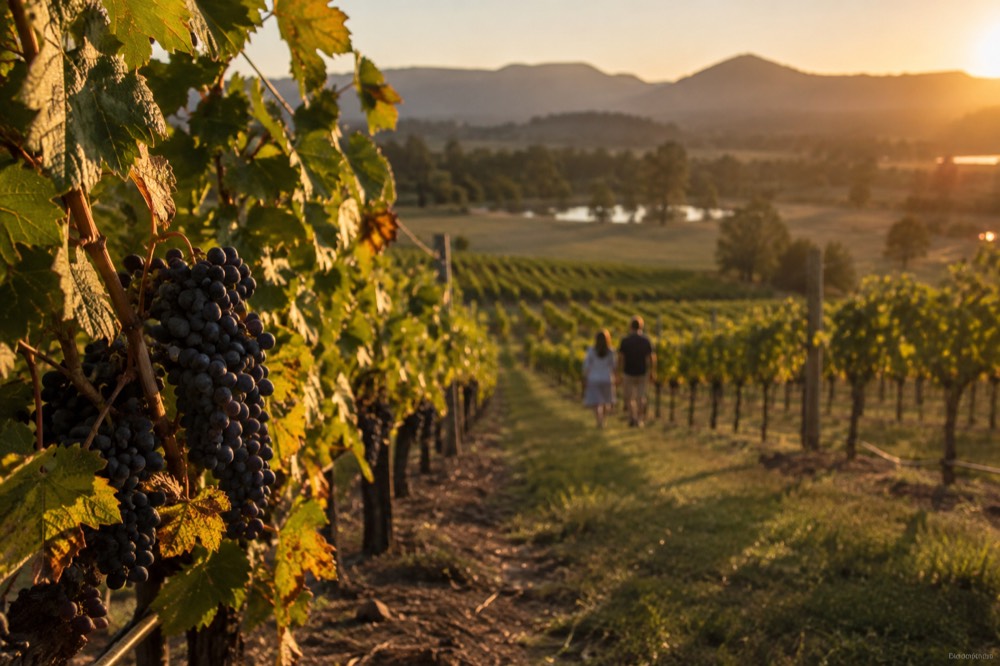
The last decision is really about what kind of day you want. A wine-focused traveller with no car should book a tour and let someone else sequence the day. A group with a willing driver should plan their own route, book two or three cellar doors rather than five, and leave room for the unplanned stop that turns out to be the memory of the trip. Either way, the valley rewards a plan made in Sydney, not one improvised at the first roundabout. This page is part of Sydney Travel Guide, where we cover the city's day trips, transport and wine regions in the same plain terms.
If you are still comparing destinations, the three options below cover the wine day, the mountains day and the city day that most Sydney visitors weigh against each other.
Common Questions About Getting to the Hunter Valley from Sydney
How can I get to the Hunter Valley from Sydney?
Drive yourself, join an organised wine day tour, combine a regional train with a connecting coach or transfer, or book a [private transfer](https://gettransfer.tpk.ro/vORPcoAo). Most car-free visitors take a guided tour, because the cellar doors are scattered along country roads and no station sits within walking distance of them.
Can you do the Hunter Valley as a day trip from Sydney?
Yes, and most visitors do. A guided tour fills the day comfortably with travel, tastings and lunch. If you want to slow down, stay overnight instead; our write-up on the day-trip-versus-overnight question covers the trade-off in detail.
Do you need a car in the Hunter Valley?
Not if you take a guided tour, which is the main reason tours are the default choice for wine-focused visitors. A car helps if you want to build your own itinerary, visit non-winery stops, or travel with family at your own pace.
Is there a train to the Hunter Valley wine region?
Regional trains run north from Sydney towards the Hunter region, but they do not stop in the heart of wine country. You need a connecting coach, taxi or transfer for the final leg, which makes this the slowest and least flexible way to do a tasting day.
When is the best time of year to visit the Hunter Valley from Sydney?
The months either side of the December-to-February summer heat are the most comfortable for tastings. Remember that seasons are inverted in Australia: June, July and August are winter, and NSW daylight saving runs from early October to early April.