Is It Worth Going to Port Stephens?
An honest look at whether Port Stephens deserves a spot on your Sydney itinerary, what the dolphin cruise day trip actually gives you, and when to go.
Is It Worth Going to Port Stephens?
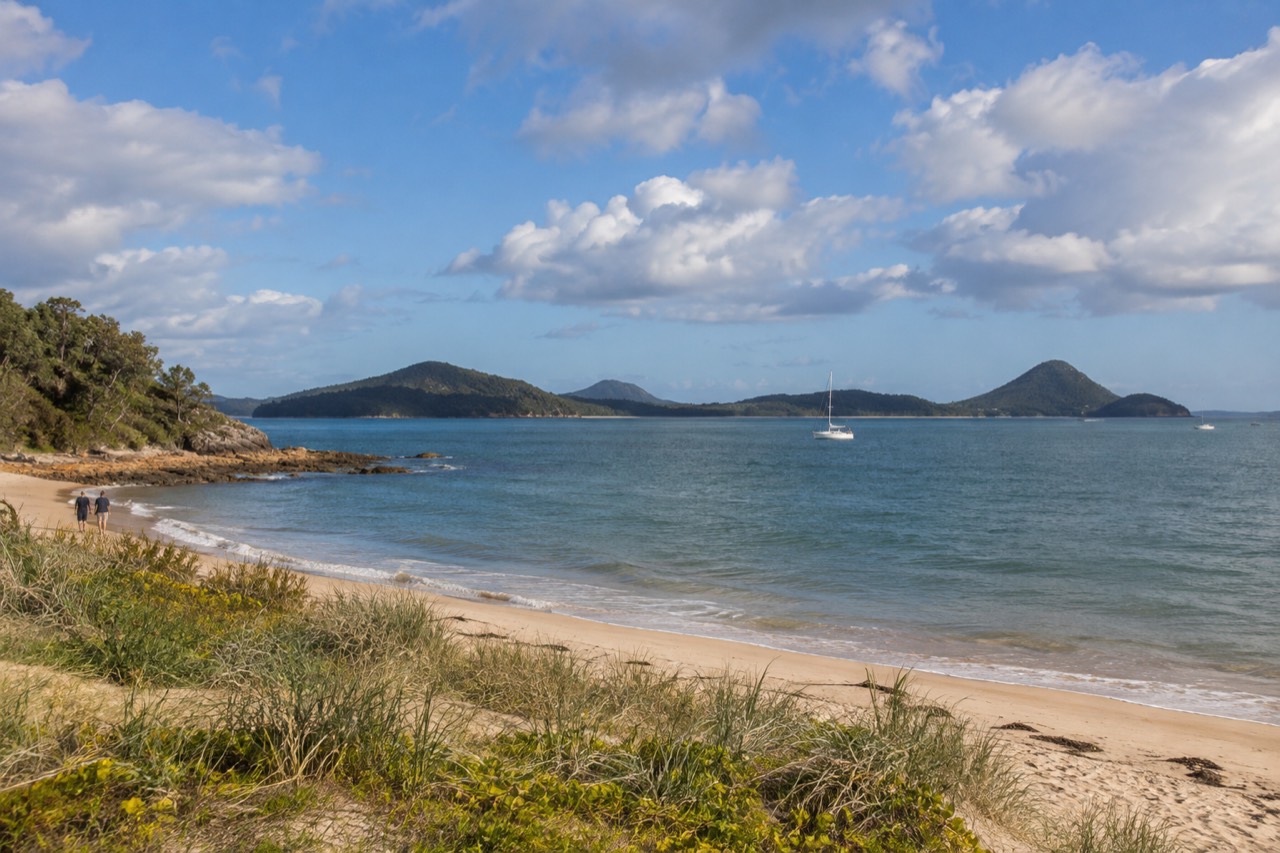
Port Stephens sits north of Sydney along a coastline built for slow days: a big blue bay, resident dolphins, enormous sand dunes and quiet headland walks. The question every Sydney visitor asks is whether it justifies a full day out of the city, because unlike the Blue Mountains or Bondi, it does not sit on a train line and it does not reward a rushed visit. The honest answer depends on what kind of traveller you are and how many days you have.
Is It Worth Going to Port Stephens?
Yes, if you have four or more days in Sydney and you want water, wildlife and wide-open coastline rather than another city attraction. Port Stephens delivers dolphins on a near-reliable basis, some of the largest coastal sand dunes in the country, and swimming beaches that feel nothing like Bondi. It is not worth it on a two-day trip, and it is not worth it if a long bus day sounds worse than the destination itself.
That is the trade-off in one paragraph. Port Stephens is a full-day commitment, typically 12 hours door to door on an organised tour, and the drive itself is a big slab of the day. What you get back is a stretch of coast that genuinely differs from Sydney's harbour and eastern beaches: a bay wide enough that dolphins move through it in pods, dunes you can ride, and lookouts over the water from Tomaree and the surrounding headlands.
The other honest point is that Port Stephens is a "choose it for what it is" destination. If your list is Opera House, harbour, BridgeClimb and one beach, adding a long coastal day trip dilutes the trip. If you have the days to spare, or if dolphins and dunes are a priority for family travellers, it becomes one of the best uses of a spare day. Our Sydney Travel Guide coverage of day trips from Sydney puts it alongside the Blue Mountains and the Hunter Valley, and for many visitors it is the water-focused pick of the three.
What Makes Port Stephens Worth the Drive?
Three things: dolphins, sand dunes and a coastline without crowds. The bay is home territory for bottlenose dolphins, and a cruise across it is the centrepiece of most visits. The dunes at the northern edge of the bay are vast, rideable and unlike anything within day-trip range of Sydney. Add quiet beaches and headland lookouts, and you have a day that feels geographically separate from the city.
Dolphins first, because they are the reason most people go. The bay's resident dolphin population is the drawcard that the organised day trips are built around, and the cruise is the one activity that consistently delivers sightings in a way that whale watching, which is seasonal, cannot match year-round. If seeing wild dolphins matters to you or to your kids, this is the closest dependable option to Sydney.
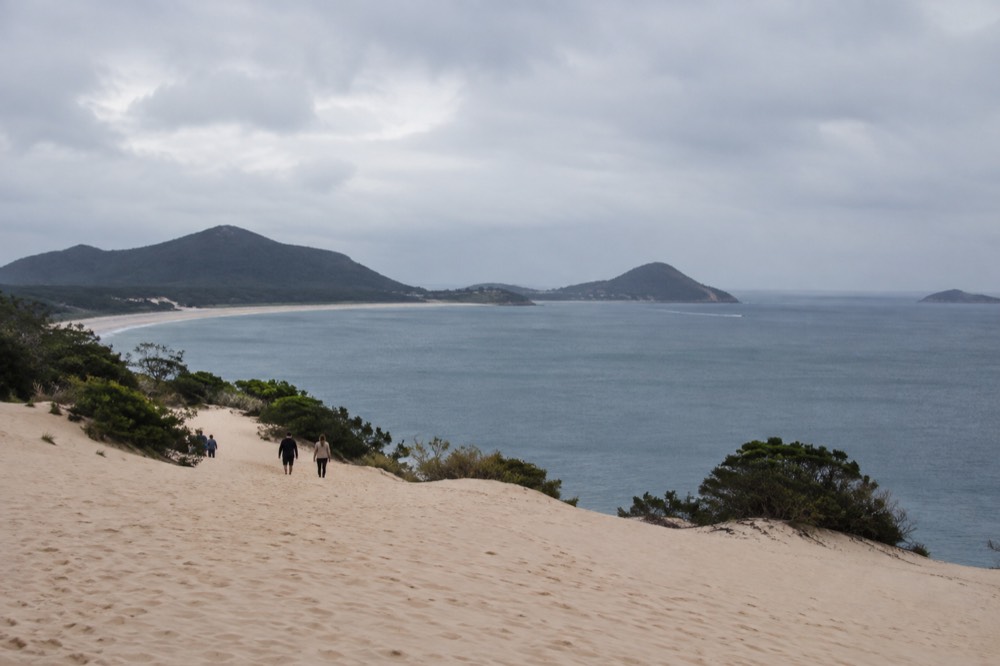
The dunes are the second act. The sand mass on the bay's northern side is a landscape more associated with outback Australia than with a coastal day trip, and the standard tour format gives you time on it, either riding the dunes or walking them. For families this is often the memory that outlasts the dolphins.
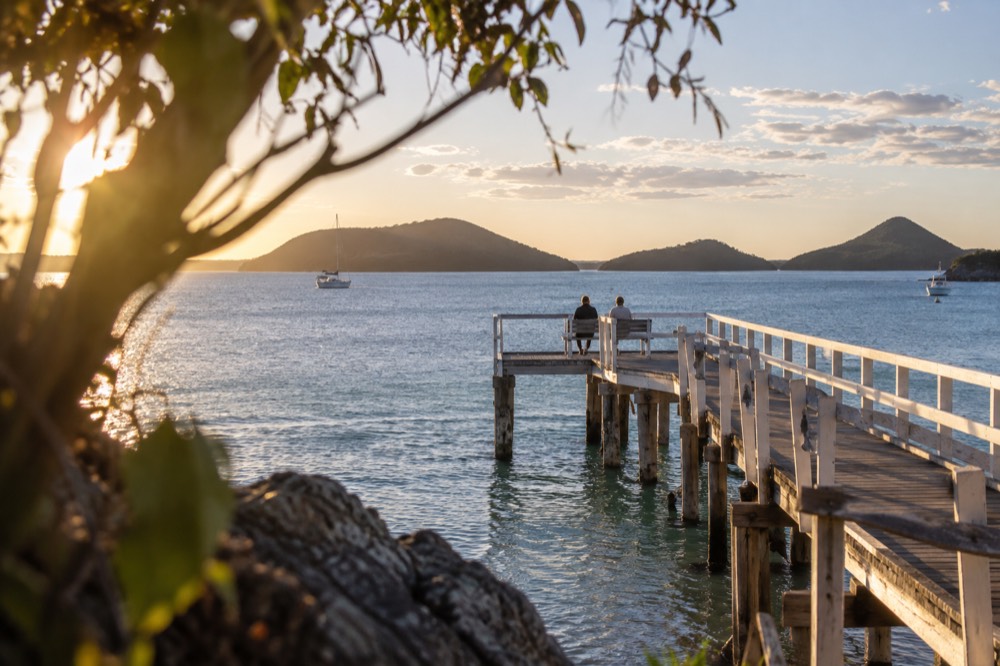
Third, the setting itself. Port Stephens is a bay rather than an ocean-front strip, so the water is calmer, the swimming is gentler, and the headland walks give long views without the crowds of Sydney's eastern suburbs. It is the kind of place that rewards a slow lunch and an afternoon on the sand, which is exactly why it works as an escape from a busy city itinerary. If your trip is short, things to do in Sydney itself may serve you better than any day trip at all.
Is a Port Stephens Day Trip Better Than Doing It Yourself?
For most visitors, yes. An organised day trip bundles the dolphin cruise with the dunes and the transport, runs around 12 hours, and removes the need to rent a car, navigate unfamiliar roads and book components separately. Doing it yourself gives flexibility, but there is no direct train, so it means a long self-drive or a chain of transport connections that eats the morning.
The transport reality is the deciding factor. Port Stephens is not on the Sydney train network, so a DIY visit means driving, and the drive is long enough that most people arrive mid-morning and leave mid-afternoon, which compresses the day. The organised tour absorbs the travel into a single decision: you board once, sleep or sightsee on the way up, and the operator handles the sequencing.
The Port Stephens day trip with dolphin cruise or hike is the bookable version of that logic, and it offers a genuine choice at the far end: the dolphin cruise, or a hike for the days when the water is rough or the legs want exercise. That either-or structure is unusual for a day trip and suits mixed groups, since not everyone wants to spend an hour on a boat.
For comparison, the table below shows how the three headline day trips and add-ons from Sydney differ in character, using the formats as they are sold.
| Experience | Type | Duration | Best for |
|---|---|---|---|
| Port Stephens day trip with dolphin cruise or hike | Coastal nature day trip | 12 hours | Dolphins, dunes, calm-water scenery |
| Blue Mountains all-inclusive day trip | Mountain nature day trip | 10 hours | Lookouts, waterfalls, small-group guiding |
| Opera House guided tour with entry | City attraction | 1 hour | Architecture, history, a guaranteed indoor hour |
The pattern to notice is that the two day trips are full-day commitments while the Opera House tour is an hour, so they are not really substitutes for each other. The real decision is Port Stephens versus the Blue Mountains, and the split is simple: water and dolphins, or mountains and lookouts. Families with children usually lean Port Stephens; photographers and hikers usually lean Blue Mountains. If you want the fullest picture of the mountain option, our Blue Mountains day trip guide covers it in depth.
When Is the Best Time to Visit Port Stephens?
September to April is the comfortable window: warm water, reliable dolphin cruising and long daylight. Whale season adds a bonus from May to November, when humpbacks migrate along the NSW coast, with the southern run, cows with calves closer to shore, running roughly August to November. Winter visits work, but the water is cold and the days are short.
The dolphin cruise runs year-round because the resident population does not migrate, so the core activity is never out of season. What changes is everything around it: swimming, dune time in the heat, and how much daylight you have for the headland walks. Sydney's seasons are inverted relative to the northern hemisphere, so December through February is summer and June through August is winter, and a winter Port Stephens day is a jacket-and-beanies affair on the water.
Whales are the seasonal bonus. NSW National Parks records the migration as running May to November along the coast, with northbound whales roughly May to July and southbound whales, travelling with calves closer to shore, roughly August to November, and the peak of numbers around late June into July. An estimated 40,000-plus humpbacks migrate along the NSW coast each year, though a whale sighting is never guaranteed and dolphin cruises are not whale cruises. If whales are the actual goal, our whale watching in Sydney guide covers the dedicated seasonal cruises.
If all of this has you leaning toward going, the timing question settles itself once you pick your month, and the booking question is just as simple.
One counterintuitive planning note: the Bureau of Meteorology's long-term normals show June as Sydney's wettest month, wetter than any summer month, while August has the most clear days of the year. That matters for a day trip that is mostly outdoors, and it means late winter can be a surprisingly good time for clear-sky lookouts even if the water is cold.
What Are the Alternatives If You Skip Port Stephens?
If the long day puts you off, the closest substitutes are a Sydney Harbour dolphin-free cruise, the Manly ferry and Shelly Beach snorkelling for a water day, or the Blue Mountains for a full-day nature fix. If dolphins are the non-negotiable part, Port Stephens has no real substitute within day-trip range, and the Jervis Bay day trip, which includes dolphins and beach time, is the nearest rival.
Start with the honest ranking. If dolphins are the reason you considered Port Stephens, nothing else in the roster delivers them as a dependable feature, so the decision is made: go. If dolphins were only part of the appeal and you mainly wanted water and coastline, Sydney itself can supply a lot of it in a fraction of the time. The harbour sightseeing cruise, the Manly ferry, and snorkelling at Shelly Beach together make a water-themed day that costs less travel and no tour bus.
The Port Stephens day trip also deserves a look for its flexibility, because the hike option makes it more than a boat-and-dunes formula.
For a full-day nature alternative, the Blue Mountains all-inclusive trip covers lookouts, waterfalls and wildlife with a local guide in a small group, and it is the stronger pick if dramatic scenery matters more than marine life. The Hunter Valley day trip is the third classic direction out of Sydney, aimed at wine and food rather than coast. And if the real question is whether to leave the city at all, what is the best day trip from Sydney weighs the main contenders head to head.
Common Questions About Visiting Port Stephens
Is it worth going to Port Stephens?
Yes, if you have at least four days in Sydney and want dolphins, sand dunes and calm-water coastline. It is a 12-hour day on an organised tour, so it is not worth it on a short trip or if a long travel day sounds worse than the destination.
Can you see dolphins at Port Stephens year-round?
Yes, the bottlenose dolphins in the bay are resident rather than migratory, which is why the dolphin cruise operates in every season. Whale sightings, by contrast, are seasonal, with the NSW humpback migration running May to November.
How long does a Port Stephens day trip from Sydney take?
The organised day trip runs around 12 hours door to door. There is no direct train from Sydney, so doing it yourself means a long drive or a chain of connections, which is why most visitors book the tour.
Is Port Stephens or the Blue Mountains better?
Port Stephens suits families and water-lovers who want dolphins and dunes; the Blue Mountains suits hikers and photographers who want lookouts and waterfalls. Both are full-day trips, so most itineraries pick one rather than both.
What is the best month to visit Port Stephens?
September to April gives warm water, long daylight and comfortable dune time. June is the wettest month on Sydney's long-run averages, so if you want clear skies, August has the most clear days of the year, though the water is cold.
Can you swim at Port Stephens beaches?
Yes, the bay beaches are calmer and gentler than Sydney's ocean beaches, which is part of why the area suits families. As with any Australian beach, swim at patrolled locations during patrol hours and check local conditions on the day.