How to Spend a Day in the Hunter Valley?
A practical one-day Hunter Valley plan from Sydney: morning departure, two or three cellar doors, lunch, and how to get there without a car.
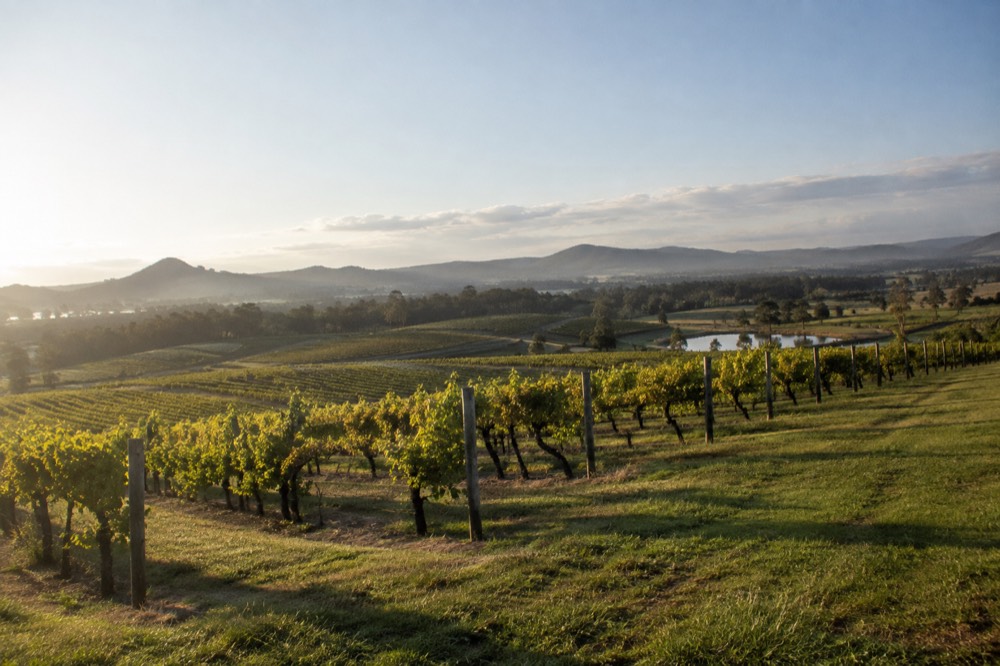
The Hunter Valley is Australia's oldest wine region, and it sits close enough to Sydney that a single well-planned day genuinely covers it. The catch is the shape of the region: cellar doors are spread along country roads, not clustered in one walkable strip, so the difference between a good day and a rushed one is almost entirely about transport and how many stops you attempt.
How to Spend a Day in the Hunter Valley?
A good single day looks like this: leave Sydney by 8am, arrive mid-morning, taste at two or three cellar doors, have a long lunch at one of them, and be back in the city by early evening. If you are not driving, a small-group wine tour from Sydney is the simplest way to do it, since the tour handles the route, the bookings and the return trip in one package.
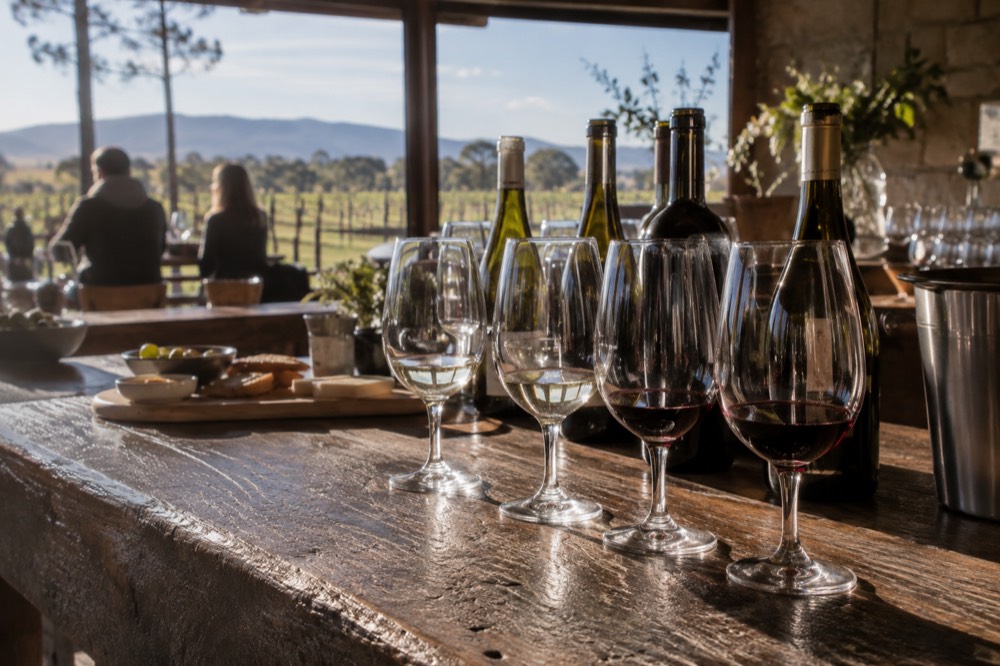
The biggest mistake people make is trying to visit too many wineries. Semillon, the Hunter's signature white, is a lighter style, and a fourth or fifth tasting in a day stops being enjoyable somewhere around the third. Two serious cellar doors plus a lunch venue gives you the range of the region without numbing your palate.
Timing matters more than most visitors expect. The Hunter Valley sits inland from the Central Coast, and summer afternoons there are regularly hotter than Sydney's, so an earlier start means tasting in the cooler part of the day and eating when the heat peaks. In winter the reverse applies: days are short, and you want to be tasting by 11am rather than just arriving.
There is also a practical reason to keep the day tight. The roads out of Sydney get busy in both directions, and a late departure from the region can put you into evening peak traffic, stretching what should be a 10-hour day into something closer to 12. Building the plan backwards from a 4:30pm departure protects the whole evening.
What Does a One-day Hunter Valley Itinerary Look Like?
Plan around a 10 to 11 hour day door to door. Leave Sydney between 7:30am and 8:30am, reach your first cellar door by late morning, taste at a second before a 1pm lunch, add one more stop or a cheese-and-produce shop in the afternoon, and depart the region by 4pm to 4:30pm so you are back in the city for dinner. Tours from Sydney follow almost exactly this rhythm.
Here is a shape that works in every season:
| Time | What you are doing | Why it works |
|---|---|---|
| 7:30-8:30am | Depart Sydney | Beats the worst of the traffic and gets you tasting before midday heat or short winter afternoons |
| 10:30-11:00am | Arrive, first cellar door | Morning palates are fresher, and tasting rooms are quieter |
| 12:30-1:00pm | Second cellar door | A contrast in style, ideally a red-focused or older-vintage producer |
| 1:30-3:00pm | Long lunch | The Hunter has serious restaurant options attached to wineries; this is the anchor of the day |
| 3:00-4:00pm | Produce shop, chocolate or cheese stop, or a third quick tasting | A softer finish that does not depend on your palate holding up |
| 4:00-4:30pm | Depart for Sydney | Arriving back in the early evening keeps the day from sprawling |
If you are on an organised tour, the operator builds this for you. The Check availability link for the premium Hunter Valley tour shows the live departure details, and the tour pairs tastings with a two-course lunch so you are not choosing restaurants on the fly. Our full Hunter Valley day trip guide covers the region in more depth if you want more than a headline plan.
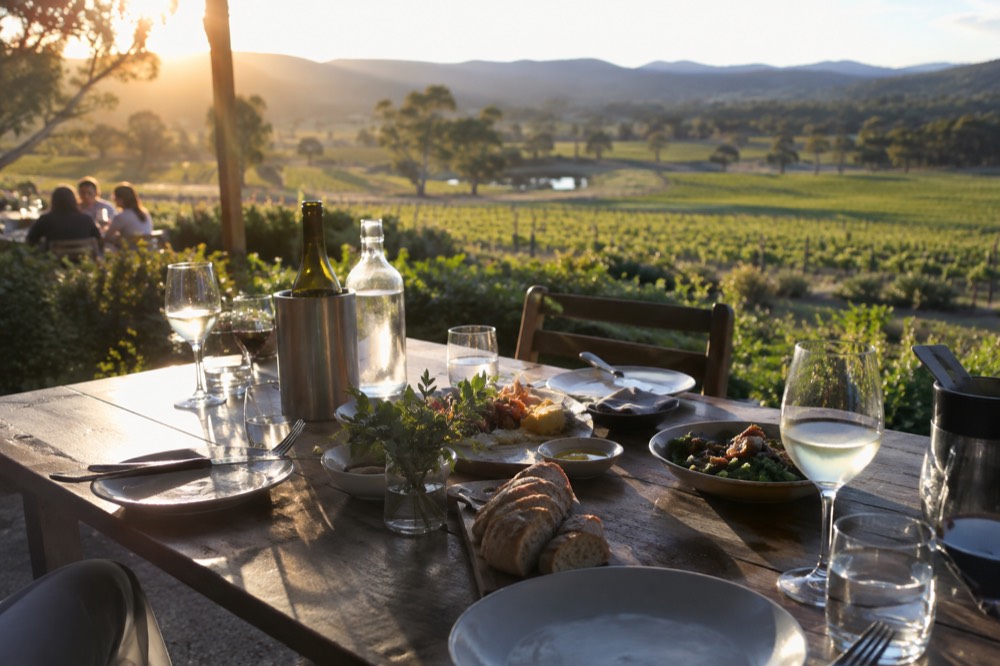
A note on the lunch slot: treat it as the anchor, not a gap between tastings. The Hunter's winery restaurants are a genuine part of the experience, some with vineyard views and menus built around local produce, and a rushed sandwich in the car wastes the one long stop of the day. Booking ahead also gives the day a fixed point you can plan the cellar doors around, which is especially useful on weekends when tasting rooms are busiest.
The trio above is deliberate. The Hunter Valley wine tour is the one this article is about. The Blue Mountains all-inclusive day trip is the alternative if your group would rather have lookouts and wildlife than wine, and the Opera House tour is the fallback for a day when the weather or the group is not up for a long country drive.
Should You Drive Yourself or Take a Wine Tour?
Take a tour if you want to taste properly, and drive yourself only if someone in the car is happy to skip the wine entirely. Random breath testing is active on the roads out of Sydney, and the drive home after a full day of tastings is the single worst risk in this itinerary. A small-group tour from Sydney costs more per person but removes the driver, the route planning and the parking.
The [self-drive](https://discovercars.tpk.ro/FvKIyzXW) case is real, though. You set the pace, you choose every cellar door yourself, and you can stop at lookouts and produce shops that tours skip. The cost is that your designated driver gets a day of sparkling water, and someone has to navigate country roads they do not know. There is no train to the vineyards themselves, which is why the drive-or-tour decision is binary; if that surprises you, our piece on getting to the Hunter Valley from Sydney breaks down every transport option.
A middle path is a hop-on style day where you drive up but join local shuttle circuits between cellar doors. These run within the region, though availability and routes change, so confirm locally before you rely on one. It splits the difference nicely: you keep the freedom of your own car for the drive up and back, but nobody in your group has to stay sober through the tastings themselves.
Which Cellar Doors Should You Prioritise?
Pick two contrasting cellar doors rather than four similar ones: one known for semillon, the region's signature style, and one for shiraz or aged releases. Then anchor lunch at a winery restaurant. Names change and opening days vary, so book the lunch venue ahead and check each cellar door's tasting hours the day before, since country venues often close one or two days a week.
A useful way to choose is by what you cannot buy at home. The Hunter's semillon is distinctive, an unoaked white that ages into something toastier and more complex, and it is the style the region is genuinely famous for. Shiraz is the red counterpart. Tasting both, from producers with different approaches, tells you more about the region than a marathon of six stops.
Booking matters more than visitors expect. Weekend tasting rooms fill, and the best lunch venues in the region take reservations that can be full a week out in peak season. If your day is a Saturday, lock in lunch first and build the cellar doors around it.
One more selection tip: mix a large, well-known producer with a small family-run one. The big names give you the polished tasting experience and the reliable cellar-door service, while the small operations are where you often meet the people who actually made the wine and hear the stories behind it. That contrast is worth more than a third or fourth stop of either kind on its own.
What Should You Know Before You Go?
Know three things: the season you are travelling in, that tasting fees are common at Hunter cellar doors, and that a day trip means an early, fixed start. Winter days are short and June is the wettest month on the long-run record, summer afternoons are hot inland, and spring and autumn are the comfortable middle. Tasting fees are usually waived or credited if you buy a bottle, so ask at the counter.
Seasons invert for northern-hemisphere readers, and it matters here more than in Sydney. December through February is summer, and the Hunter Valley, being inland, runs hotter than the coast. June through August is winter, with bare vines and shorter days, but also the region's quiet season and some of its clearest skies. If you want more on picking a window, our best time to visit Sydney guide covers the climate month by month.
One thing worth repeating from the itinerary section: do not plan a fifth stop. The pattern of a great Hunter day is generous time at few places, not a checklist. Two cellar doors, a long lunch and one soft afternoon stop is the version of this day that people remember fondly.
If you are weighing the Hunter against an overnight stay, the honest answer is that one day works for tastings and lunch, while two lets you add restaurants, spas and sunrise hot-air balloon flights. Our comparison of day trip versus overnight in the Hunter Valley goes through the trade-offs.
The premium tour above is the one we would point most one-day visitors to: it bundles Sydney pickup, cellar doors and a two-course lunch, which is exactly the shape of the itinerary in this article, without any of the driving. For everything else the region and the surrounding wine country offer, the Sydney Travel Guide day-trip section has the wider set of options.
Common Questions About Spending a Day in the Hunter Valley
How to spend a day in the Hunter Valley?
Leave Sydney by 8:30am, taste at two or three cellar doors, take a long winery lunch around 1pm, and head back by 4:30pm. If you are not driving, a small-group wine tour from Sydney handles the whole shape of the day.
Can you do the Hunter Valley as a day trip from Sydney?
Yes. It is one of the most realistic wine-region day trips from the city, with tours running roughly 11 hours door to door. The trade-off is an early start and a fixed schedule, which is why picking fewer, better stops matters.
How many wineries can you visit in one day?
Two serious cellar doors plus a lunch venue is the sweet spot. Three tastings are possible if the third is short, but a fourth stops being enjoyable and turns the day into a blur.
Should you drive or take a tour in the Hunter Valley?
Take a tour if you want to taste, since drinking and driving do not mix on country roads. Drive yourself only if someone in the car is content to skip the wine and be the designated driver.
What is the Hunter Valley famous for?
Semillon, especially the unoaked style that ages remarkably, and shiraz. It is Australia's oldest wine region, and its cellar doors, winery restaurants and produce shops are what a day trip is built around.
When is the best time of year for a Hunter Valley day trip?
Spring and autumn for comfortable temperatures. Winter is quiet and often clear but short, and summer is hot inland. June carries the highest average rainfall on the long-run record, so have a wet-weather backup such as a long lunch.